
Views: 0 Author: Site Editor Publish Time: 2025-11-27 Origin: Site
Choosing the right bathtub or shower faucet is more than a design choice—it directly affects installation feasibility, long-term performance, project cost, and customer satisfaction. Whether you’re a wholesaler, contractor, importer, or project manager, understanding the differences between faucet types, the installation demands of each style, and material construction quality is essential for making the right purchasing decision.
This updated 2026 Bathtub & Shower Faucet Buyer’s Guide provides a deeply practical overview with expanded sections on faucet types and sourcing advice. It is ideal for professionals involved in remodeling projects, procurement, or OEM/ODM manufacturing.
Bathtub faucets have evolved significantly in recent years, with global trends moving toward minimalist silhouettes, high-efficiency water delivery, and mixed-material finishes. Below is an expanded explanation of the most common faucet types used in residential and commercial bathrooms.
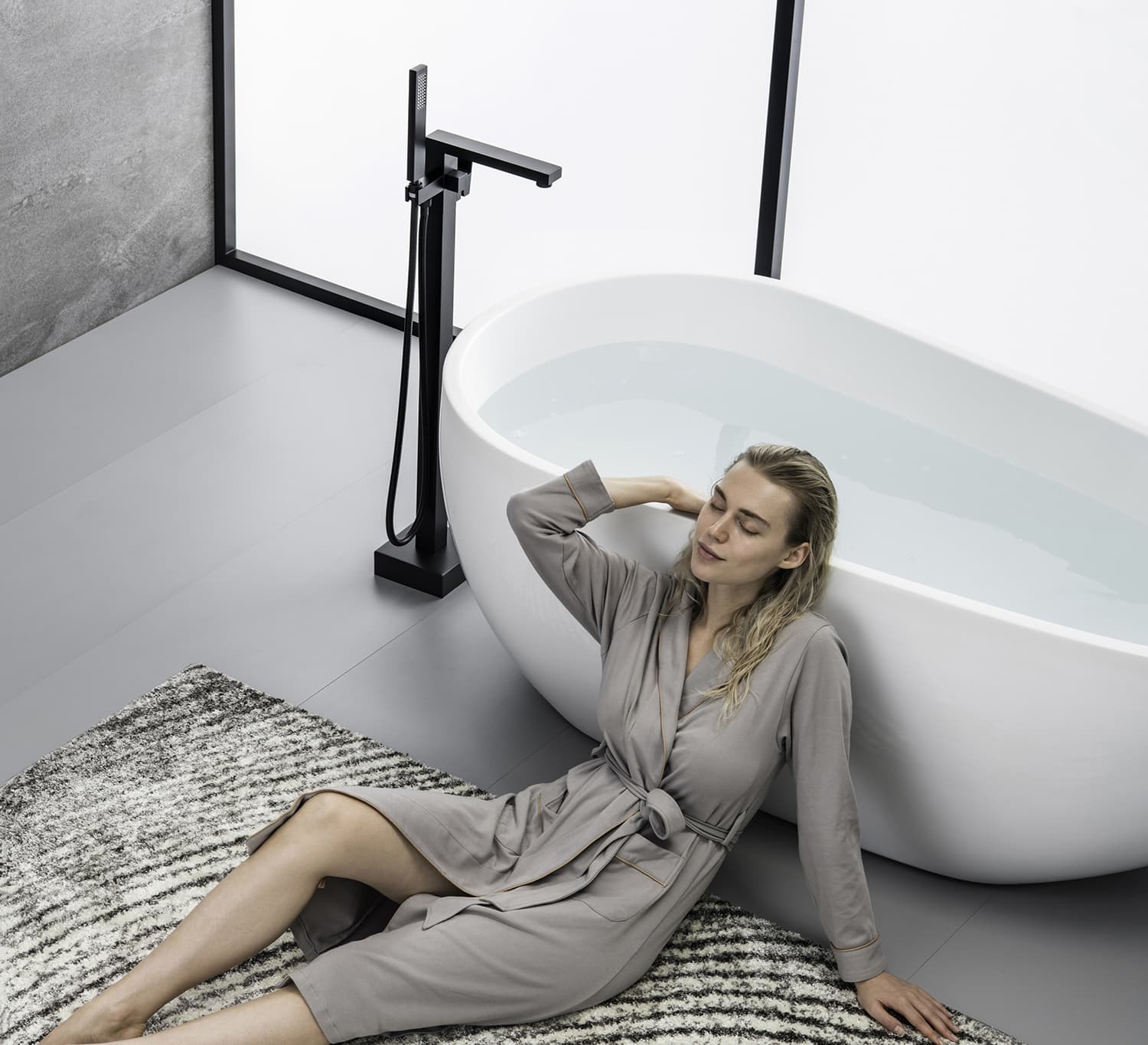
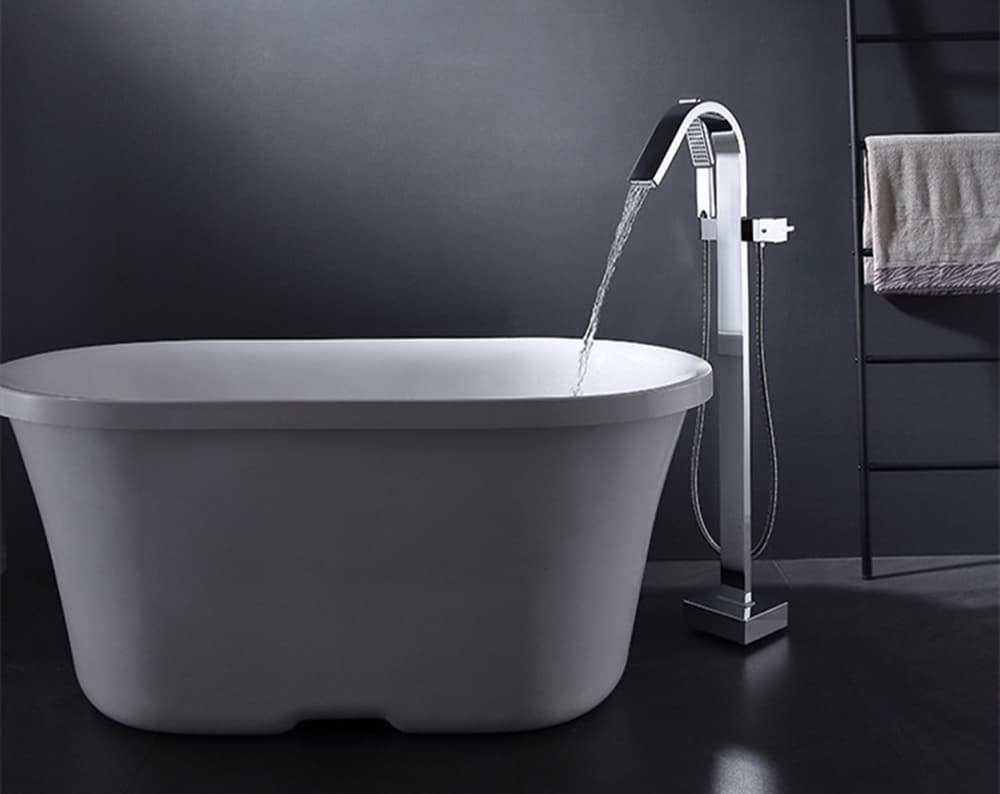
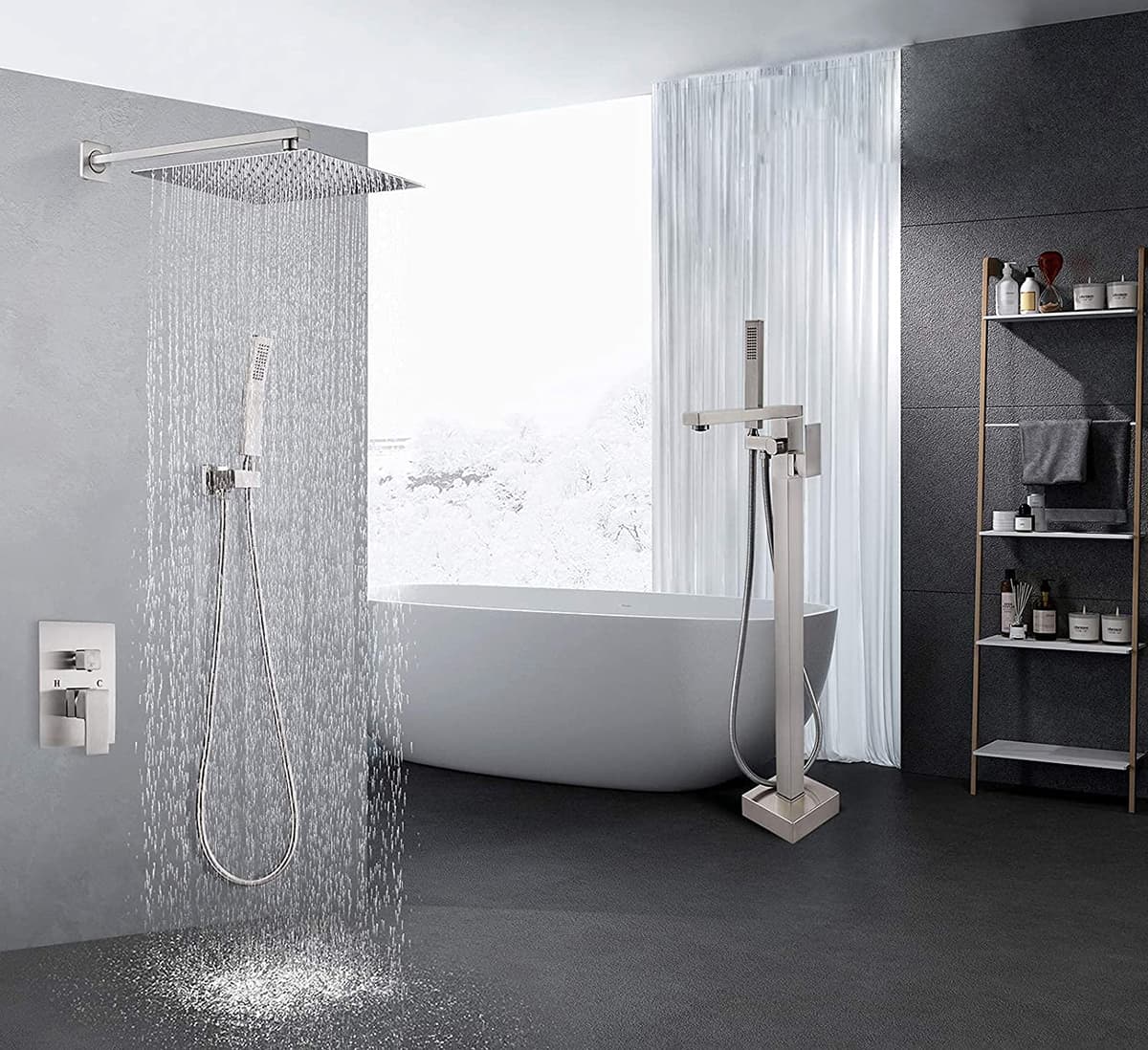
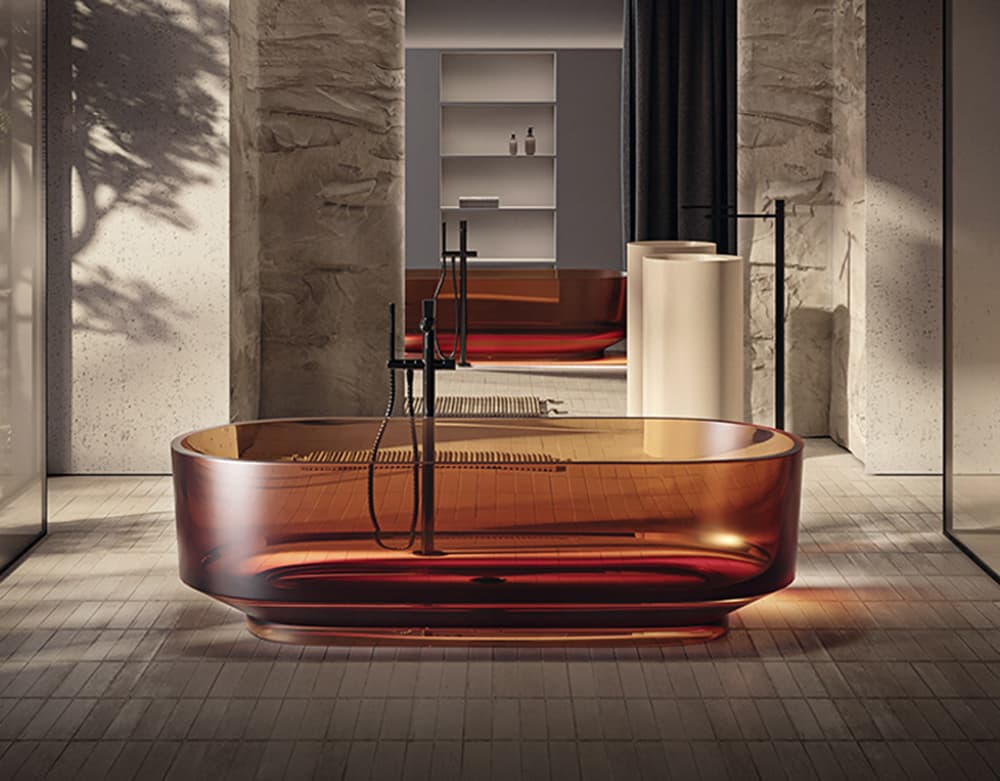
Freestanding bathtub faucets—also known as floor-mounted tub fillers—are among the most visually striking options available. Because they anchor directly to the floor and rise over the side of the tub, they offer unmatched placement flexibility and work especially well with deep soaker tubs and modern freestanding bathtubs.
Key advantages
Flexible placement anywhere around the tub
Ideal for bathrooms with open floor plans
Works with tubs that do not have deck holes
Luxury aesthetics for high-end residential and hotel projects
Buying considerations
Requires underfloor access for water supply
Installation cost can be higher
Stability depends on proper anchoring and bracing
Often chosen for premium projects, resulting in higher unit cost
Freestanding faucets continue to dominate the luxury renovation and boutique hotel segments going into 2026.
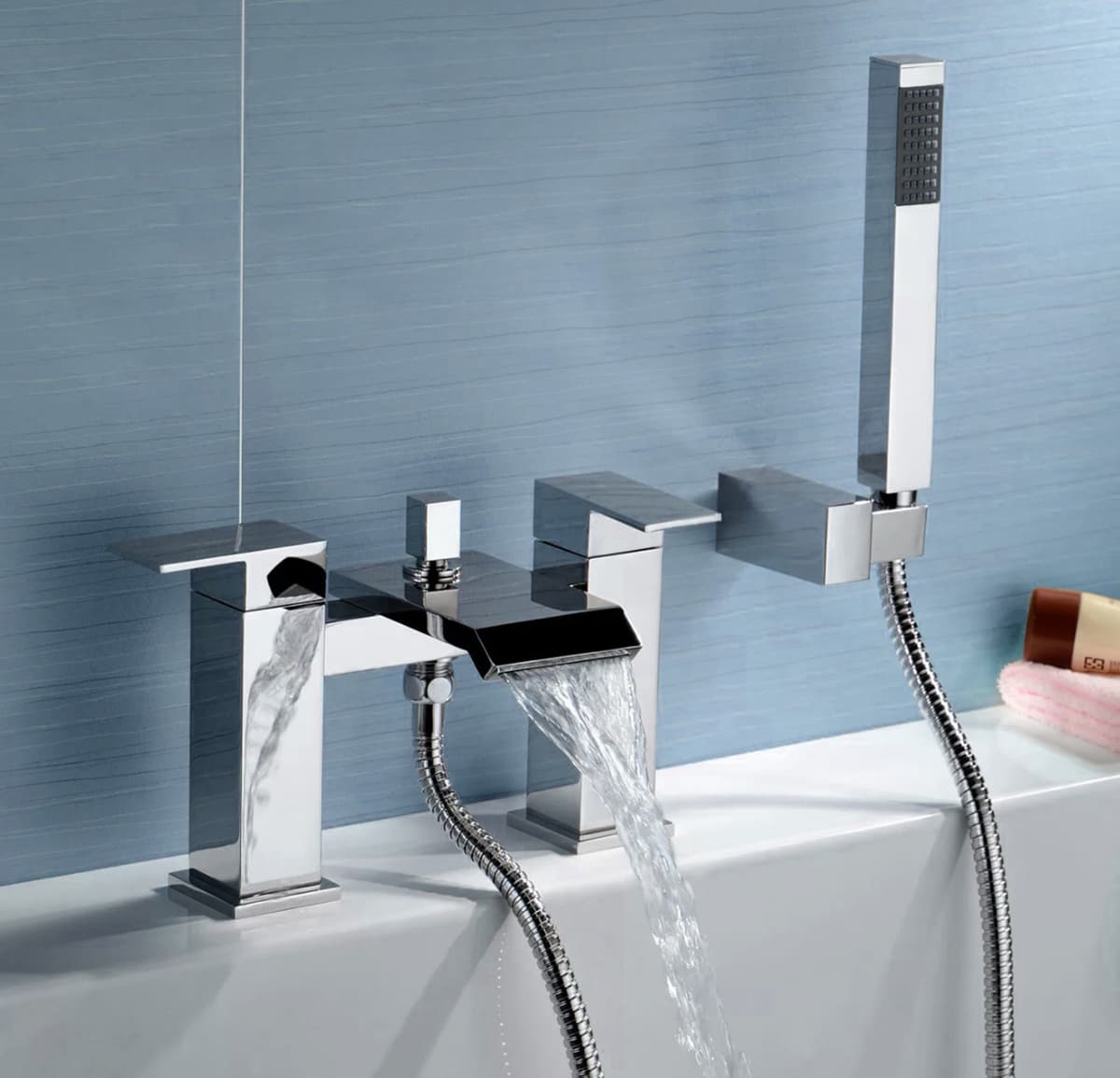
Deck-mounted faucets attach either to the tub rim or to a platform built around the tub. They provide a balanced look that fits both traditional and modern bathroom layouts.
Key advantages
Straightforward installation on tubs with existing holes
Ideal for alcove tubs, drop-in tubs, and platform designs
Suitable for spa-style designs
Often available in a wide range of price points
Buying considerations
Requires correct hole spacing (center-to-center measurement)
Must ensure spout reach matches tub interior
Installation may require rigid or flexible supply lines based on plumbing layout
Not always compatible with freestanding tubs without a nearby deck
Deck-mounted faucets remain one of the most versatile options for residential products and large multi-unit housing projects.
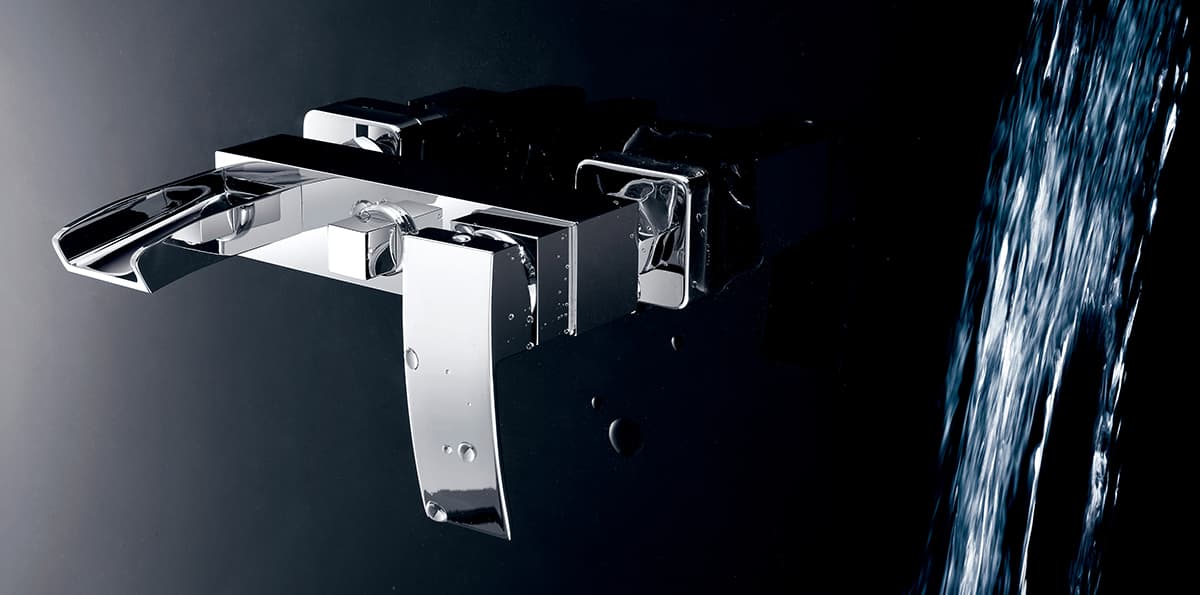
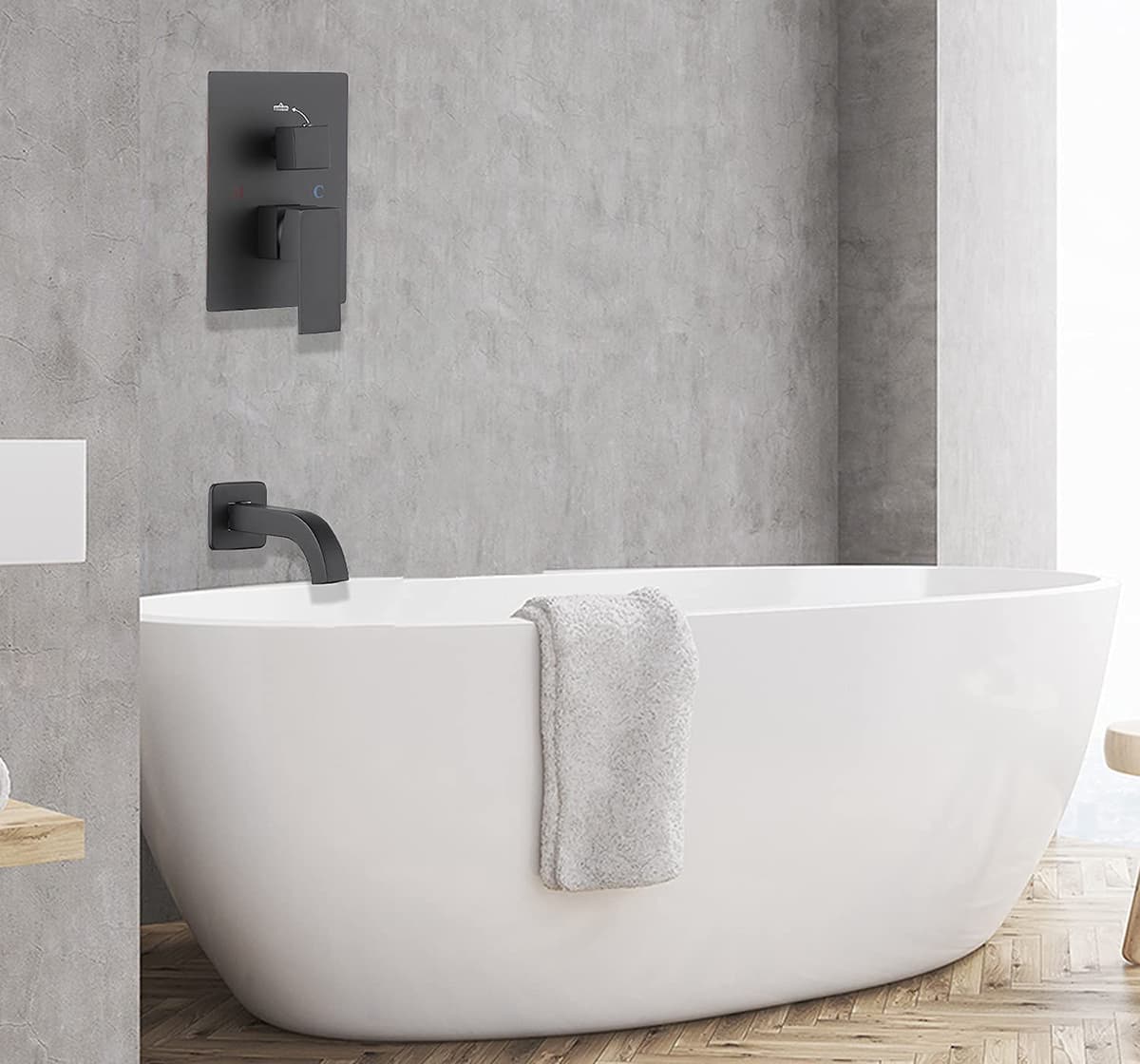
A popular option for both space-saving and modern bathroom layouts, wall-mounted tub faucets attach directly to the wall above the tub.
Key advantages
No faucet holes needed in the tub
Saves space in compact bathrooms
Clean, minimalist visual effect
Simplifies cleaning around the tub
Buying considerations
Water supply must be accessible inside the wall
Requires precise installation to match spout reach
Important to ensure a watertight wall seal
Good for commercial or rental units where durability and easy maintenance matter
Wall-mounted faucets continue to gain traction in urban apartments, contemporary remodels, and budget-conscious installations where underfloor access is limited.
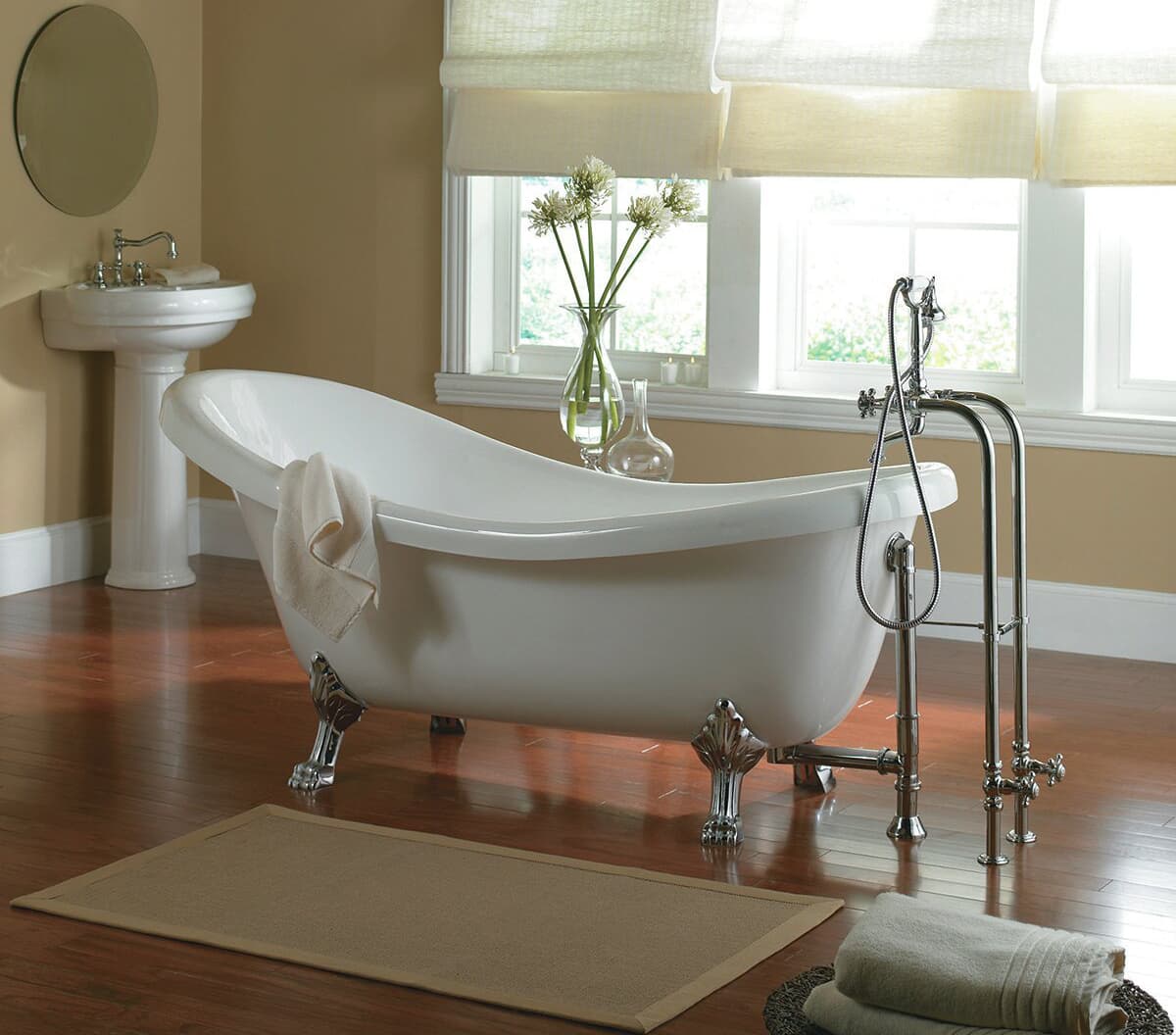
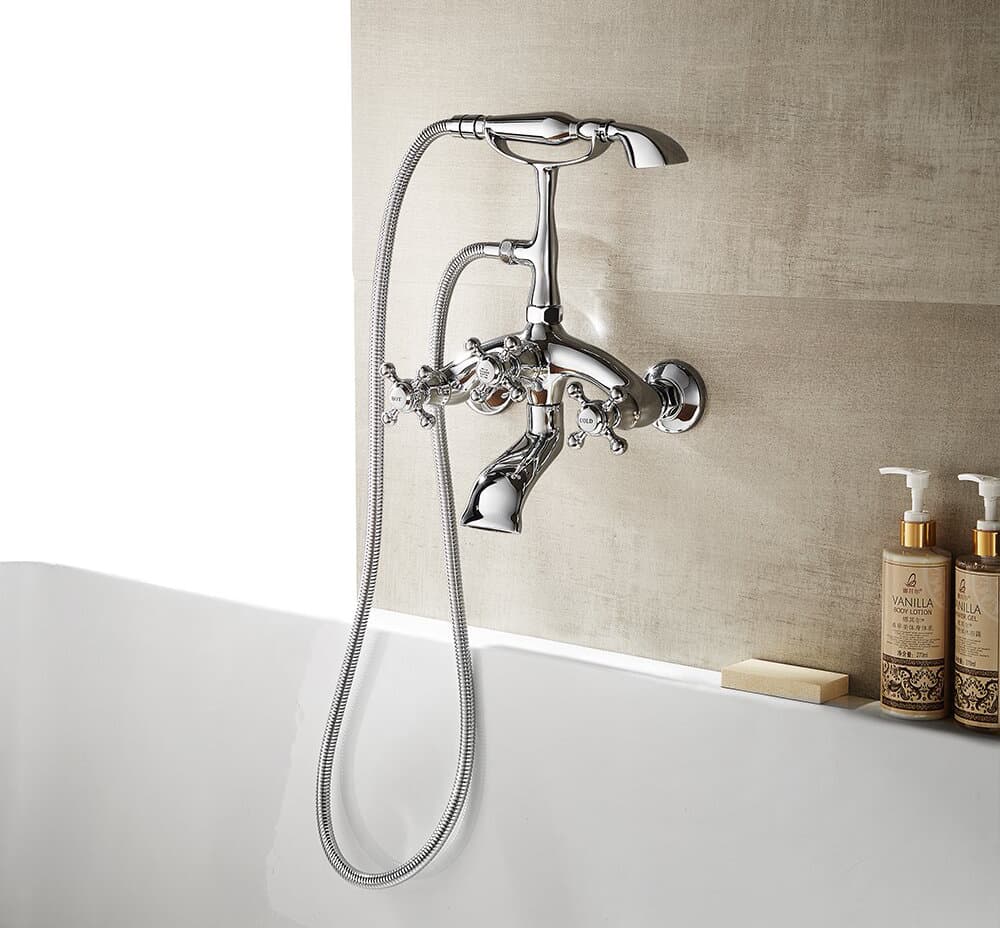
These faucets mount directly on the vertical wall of the bathtub itself. Common in cast-iron, steel, and vintage-style tubs, this configuration is especially useful for replacing older faucet systems.
Key advantages
Ideal for antique and clawfoot tub restorations
Perfect replacement for older tubs with existing drilled holes
Compact and practical
Maintains traditional bathroom aesthetics
Buying considerations
Requires careful measurement of hole spacing (standard is 3-3/8")
Underfloor or in-wall water access may be required
Some older or custom tubs have non-standard spacing
This faucet type is commonly used in renovation projects where preserving the original tub is a priority.
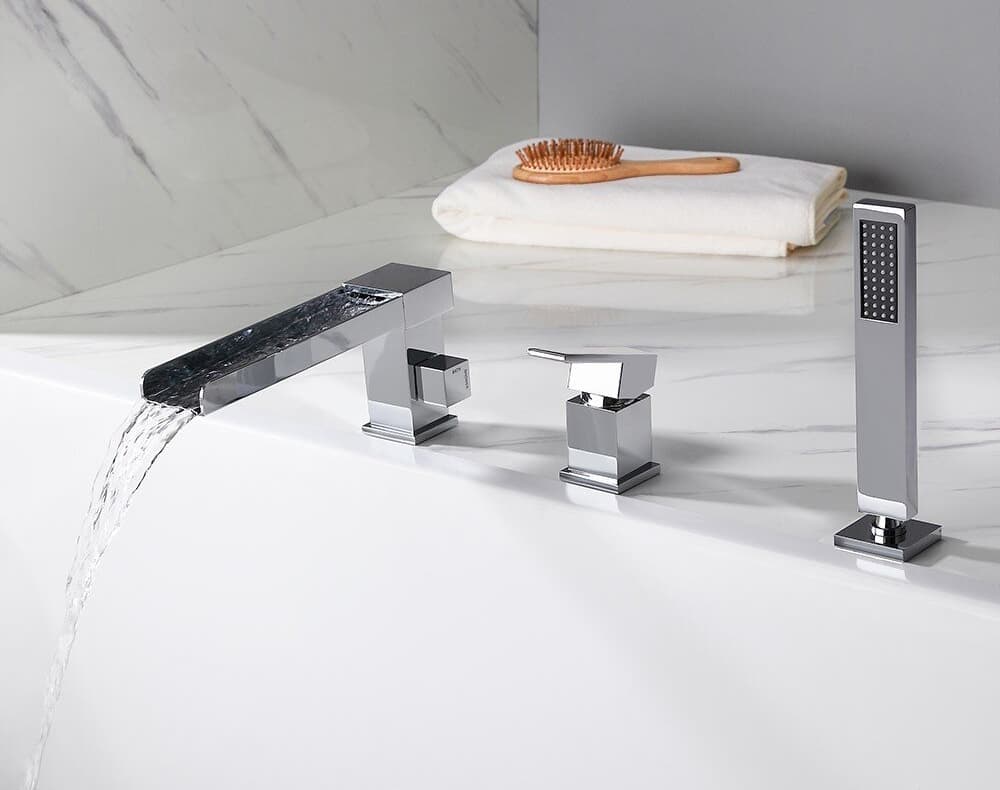
Roman tub faucets are typically installed on a wide deck or platform surrounding a drop-in or jacuzzi bathtub. Featuring individual hot and cold handles, they are designed for larger installations that require generous water flow.
Key advantages
Excellent for spa-style or luxury tubs
Allows separate control handles for precise mixing
Often compatible with soaking or whirlpool tubs
Available in two-handle, three-hole, or four-hole configurations
Buying considerations
Requires multiple faucet holes
Not installable on the thin rims of freestanding tubs
A deck or platform must be present
Tub filler spout must extend far enough for secure water delivery
Roman tub faucets remain popular in high-end residential homes and hotel suites that feature large deep-soaking bathtubs.
For bathrooms that include shower functionality, selecting the correct shower faucet is critical for both performance and user experience.
These systems are designed exclusively for shower stalls and come in multiple configurations, including rain showers, handheld showers, and multi-spray systems.
Key advantages
Preconfigured for vertical installation
Ideal for standalone shower stalls
Supports a variety of spray modes
Easy integration with thermostatic or pressure-balanced mixing valves
Common uses include spa upgrades, hotel showers, and luxury residential bathrooms.
Combination faucets serve dual purposes—filling the tub and supplying water to a showerhead through a diverter system.
Key advantages
Perfect for compact bathrooms
Cost-effective and space-efficient
Compatible with most apartment and family home layouts
Buying considerations
Diverter quality determines long-term reliability
Spout reach and showerhead positioning must be planned
Installation can vary depending on existing plumbing
This type remains the most widely used system globally, particularly in standard household bathrooms.
Buyers evaluating bathtub and shower faucets should prioritize materials that affect longevity, corrosion resistance, and maintenance requirements.
Most commonly used materials
Solid brass: Premium choice for durability and corrosion resistance
Stainless steel: Excellent for modern designs and high corrosion environments
Zinc alloy: Budget-friendly for cost-sensitive projects
PVD finishes: Superior surface durability, ideal for black, gold, and luxury finishes
Selecting reliable materials significantly reduces warranty claims and long-term maintenance costs.
Installation feasibility often determines which faucet type should be selected for a project. Key considerations include:
Underfloor access requirements (especially for freestanding and deck-mounted faucets)
Wall thickness and plumbing layout for wall-mounted faucets
Hole spacing compatibility for deck or tub wall-mount faucets
Spout reach based on tub shape and depth
Diverter quality and type for combination systems
Understanding installation demands early in the planning stage prevents costly revisions and returns.
For buyers, resellers, and project managers sourcing bathtub and shower faucets internationally—especially from Asia—evaluating suppliers carefully is crucial.
Key sourcing tips
Confirm certifications such as CUPC, CE, WRAS
Ask for detailed material breakdown (brass grade, stainless steel type, PVD layers)
Review production capability and delivery lead times
Confirm compatibility with U.S. plumbing standards (NPT threads, flow rate regulations)
Request QC reports, salt-spray test results, and lifecycle testing numbers
Choose suppliers with OEM/ODM design capability if custom products are needed
These steps help ensure that the faucets received meet both regulatory and project requirements.
Q1. What is the difference between freestanding, deck-mount, and wall-mounted bathtub faucets?
A:Freestanding faucets mount to the floor, deck-mounted versions attach to a tub or platform, and wall-mounted faucets connect to plumbing behind the wall. Each requires different installation methods and has unique visual aesthetics.
Q2. Which bathtub faucet type is best for small bathrooms?
A:Wall-mounted and tub wall-mount faucets save the most space and simplify cleaning, making them ideal for compact bathrooms with limited floor area.
Q3. Are Roman tub faucets suitable for freestanding tubs?
A:Not directly. Roman tub faucets require a platform or wide deck for installation. Freestanding tubs typically do not have the necessary mounting space.
Q4. What should B2B buyers look for when sourcing bathtub faucets from manufacturers?
A:Inspect certifications, material quality, supplier production capabilities, installation compatibility, and available customization options.
Q5. How can importers ensure consistent faucet quality for large orders?
A:Request QC documentation, lifecycle testing reports, finish durability tests, and conduct third-party inspections during production.


