
Views: 0 Author: Site Editor Publish Time: 2026-01-29 Origin: Site

In the North American bathroom fixture market, buyers don’t fail because they paid too much — they fail because they misjudged risk.
Many wholesalers, project buyers, and private-label brands still treat faucet sourcing as a unit-price optimization exercise. But in reality, faucet purchasing is a risk-management decision involving product liability, after-sales exposure, channel reputation, and regulatory compliance.
In an era where Google AI prioritize helpful, authoritative, experience-based content, buyers are increasingly searching not for the cheapest faucet supplier, but for the most reliable one.

On paper, a faucet priced $6 cheaper per unit looks like a win. In real life, that saving disappears the moment failure rates rise above industry norms.
• Leak returns and replacement freight
• Installer labor re-dispatch
• Retailer chargebacks
• Amazon / Home Depot rating penalties
• Brand reputation erosion
A faucet is not just a product. It’s a risk carrier inside your supply chain.
This is why professional buyers now evaluate faucets using Total Cost of Ownership (TCO), not FOB price.

Professional buyers don’t ask, “Is it cheap?”
They ask, “Is it proven?”
Here are the non-negotiable performance benchmarks for faucets sold in the U.S. and Canada:
| Metric | Industry Reference |
|---|---|
| Cartridge life | ≥ 500,000 cycles |
| Salt spray test | ≥ 24h (ASTM B117) |
| Pressure test | ≥ 1.6 MPa burst |
| Flow control | ≤ 1.5 GPM (WaterSense) |
| Compliance | cUPC / NSF / ASME A112.18.1 |
Low-price faucets often claim compliance. Risk-controlled suppliers document it.

For B2B buyers, the most important metric is:
Return Rate per 1,000 Units
If that number rises above 8–10 units per 1,000, your cost curve breaks.
Failure is rarely cosmetic. It’s structural:
• Thin wall brass
• Unstable PVD adhesion
• Inferior hose material
• Unvalidated cartridge sourcing
This is why mature OEMs design faucets backward from risk, not forward from price.

Professional wholesalers now use a supplier risk checklist, not a quote sheet.
✔ Full material specs (not just “brass”)
✔ Independent lab test reports
✔ Traceable cartridge sourcing
✔ Consistent SKU stability over years
✔ Willingness to disclose failure data
Factories that understand North American distribution don’t sell “products.”
They sell predictability.
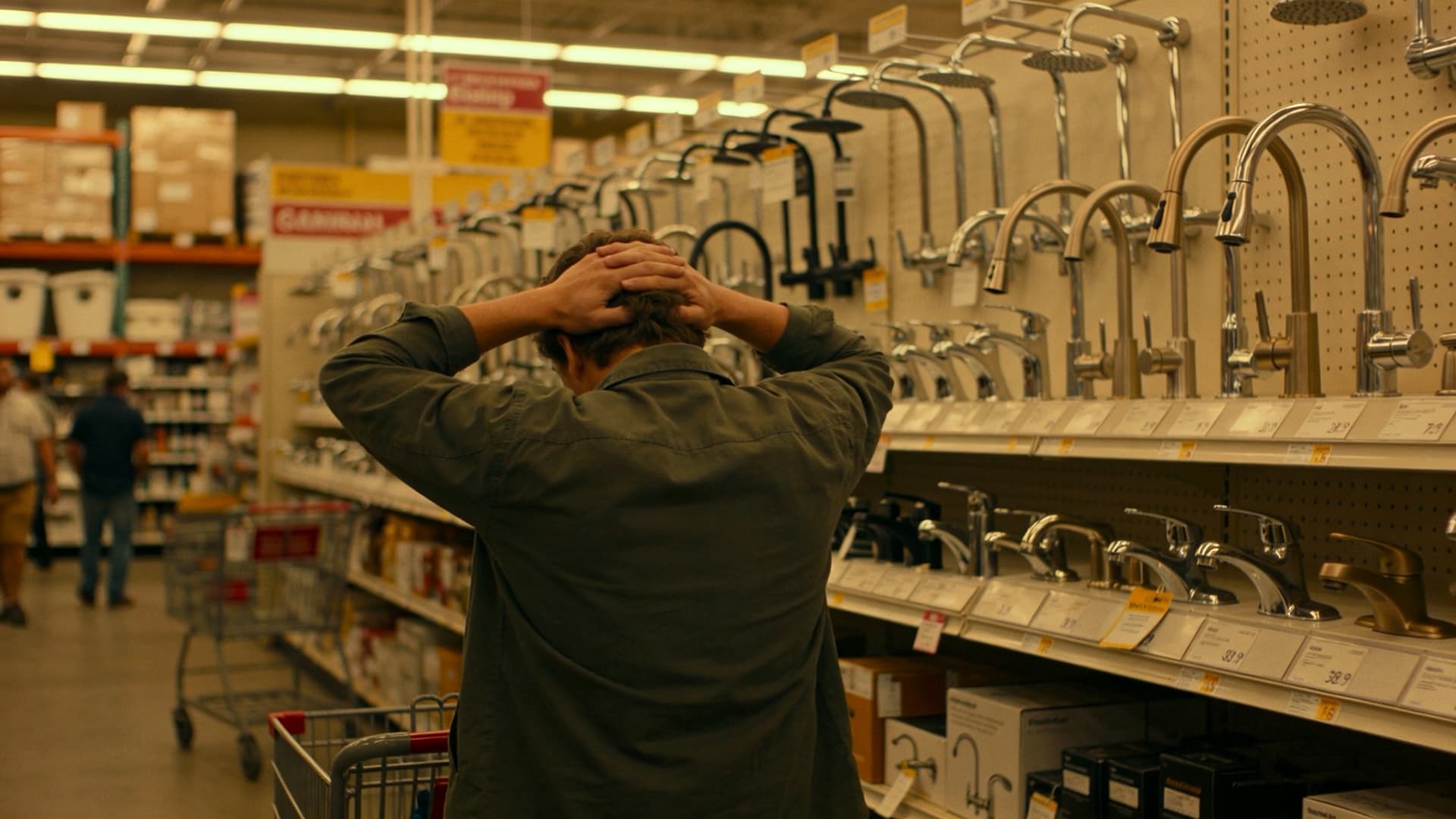
The smartest buyers now ask:
• What is the risk exposure per SKU?
• What is the failure cost per 1,000 units?
• What is the reputation risk per channel?
In other words:
Faucet sourcing is no longer purchasing.
It is risk management.

Some Chinese OEM manufacturers have shifted from “price factories” to risk-controlled production partners.
Aquacubic operates with:
• Full cUPC & CE compliance logic
• Long-cycle testing before mass production
• Stable brass & stainless sourcing
• In-house PVD treatment experience
• Project & brand-level OEM discipline
Rather than competing on short-term pricing, Aquacubic aligns with buyers who value long-term channel stability and regulatory safety — especially in the U.S. and European markets.

A:Because they use lower-grade brass, unstable plating, and untested cartridges — increasing leak and finish-peel risk.
A:At minimum: cUPC, NSF, ASME A112.18.1, and WaterSense compliance.
A:Under 0.8% is good. Over 1% creates serious cost pressure.
A:Request lab reports, production testing videos, and SKU stability history.
A:Because stability reduces failure cost, protects your brand, and improves channel trust.


