
Views: 0 Author: Site Editor Publish Time: 2025-12-30 Origin: Site
Selecting the ideal kitchen or bathroom sink material is a critical decision for suppliers, retailers, and project developers in Europe and America. With diverse design aesthetics and functional demands, understanding the characteristics, benefits, and limitations of common sink materials can significantly influence product satisfaction and long-term durability.
This guide explores popular sink materials, their suitability for various design styles, and essential considerations for choosing a reliable manufacturer—especially for those sourcing stainless steel and ceramic sinks from reputable Chinese factories.

Overview: The global leader in kitchen sink materials, stainless steel blends durability with modern aesthetics.
Advantages:
Highly resistant to heat, corrosion, and stains
Lightweight and easy to install
Compatible with various kitchen styles (modern, industrial, minimalist)
Affordable and widely available
Sound-dampening coatings available on premium models
Disadvantages:
Thin gauges (22+) dent easily and can be noisy
Susceptible to scratches, though brushed finishes help conceal wear

Overview: Ceramic sinks bring timeless elegance, common in traditional and farmhouse kitchens.
Advantages:
Glossy, non-porous surface resists stains and bacteria
Dense material reduces noise
Available in classic white and off-white shades
Fireclay variants offer enhanced durability and heat resistance
Disadvantages:
Heavy and fragile; prone to chipping under impact
Installation requires strong cabinet support
Limited color options
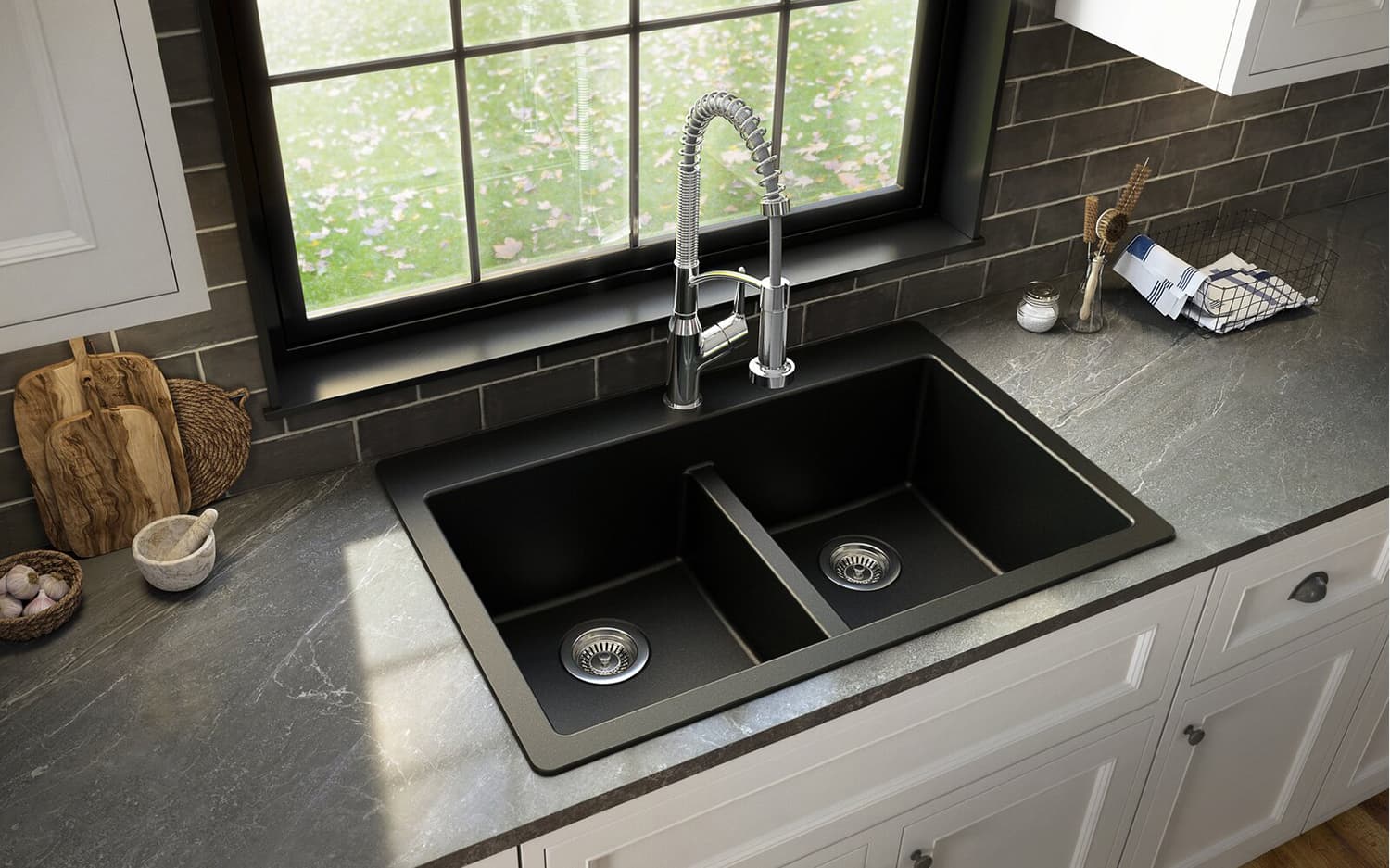
Overview: A modern alternative gaining popularity in premium kitchens, made from crushed granite mixed with resin.
Advantages:
Highly resistant to scratches, stains, and heat
Non-porous surface prevents bacterial growth
Wide variety of colors and finishes
Durable yet quieter than stainless steel
Disadvantages:
Heavy, requiring reinforced cabinetry
Typically more expensive than stainless steel or ceramic
Resin components may degrade over time if low quality
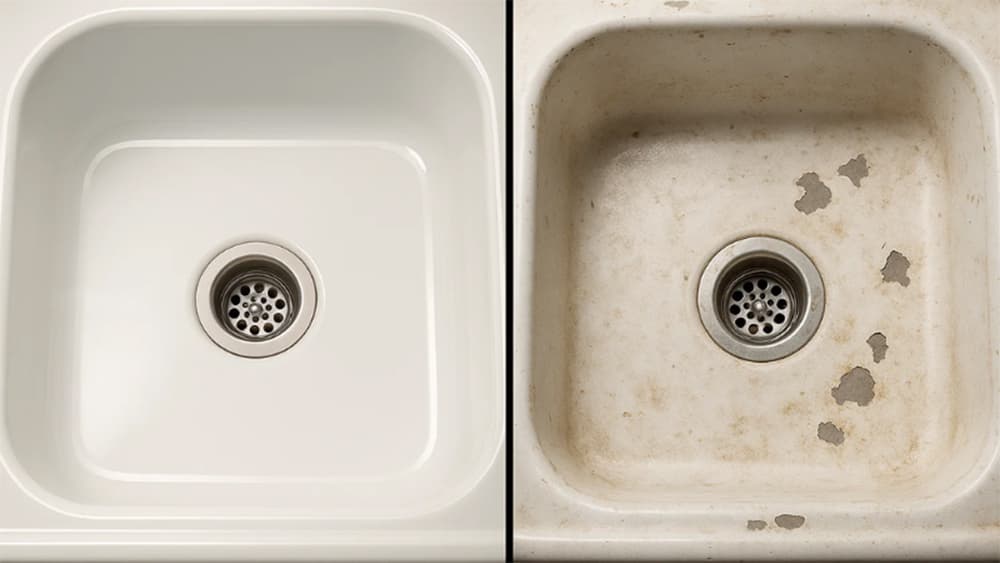
Overview: Steel sinks coated with porcelain enamel for a glossy finish.
Advantages:
Classic look, often used in retro or vintage-style kitchens
Smooth, easy-to-clean surface
Affordable entry price point
Disadvantages:
Porcelain coating chips easily under impact, exposing steel to rust
Less durable in heavy-use environments

Overview: Lightweight sinks made from molded plastic resin.
Advantages:
Very affordable and easy to install
Available in various colors and shapes
Repairable minor scratches or stains with polish
Disadvantages:
Prone to cracking under heavy impact or heat
Surface scratches and stains easily
Not recommended for high-traffic or commercial kitchens
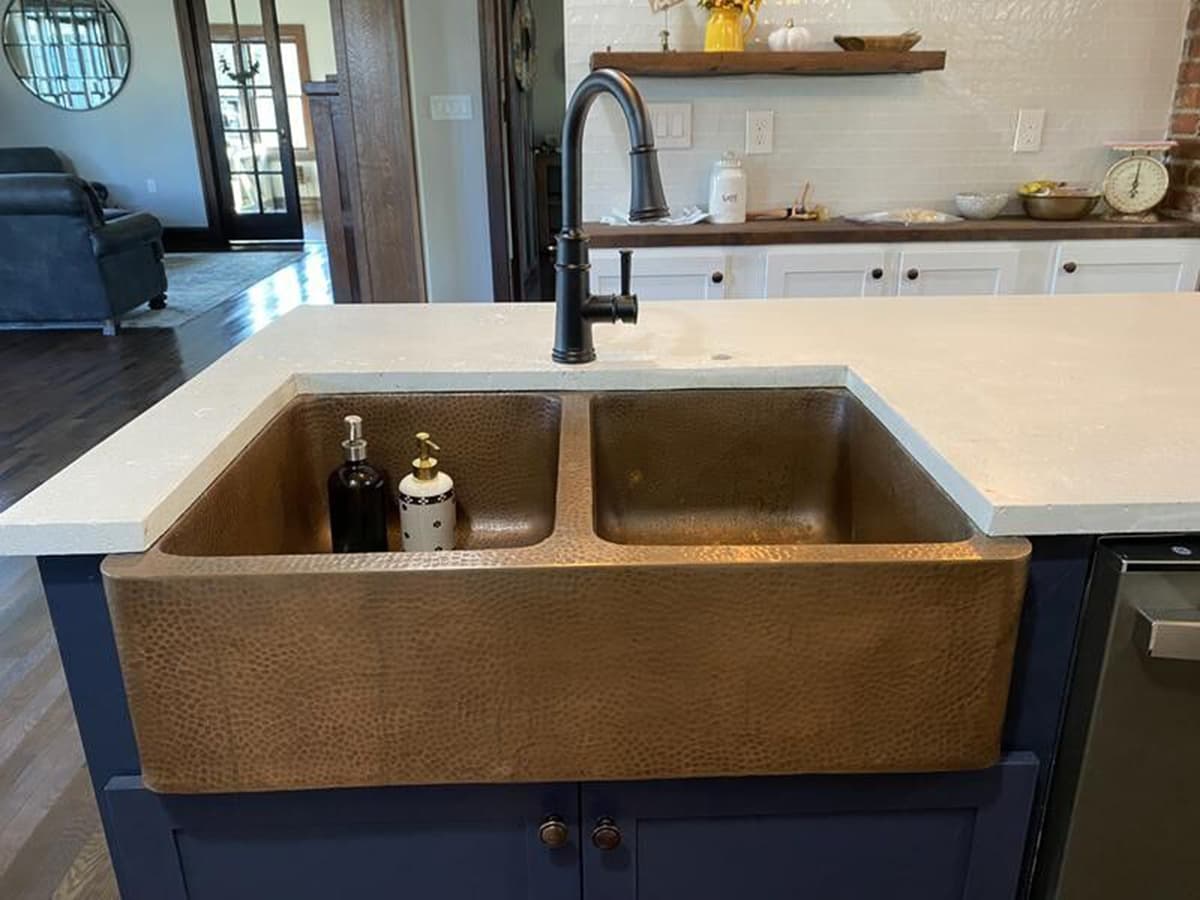
Overview: Copper sinks are often chosen for their antimicrobial properties and unique look.
Advantages:
Beautiful natural patina develops over time
Naturally antimicrobial surface
Adds warmth and character to kitchen designs
Disadvantages:
High maintenance: requires frequent polishing
Soft metal dents and scratches easily
Not suitable for heavy use or multifamily housing
Overview: Heavy cast iron coated with enamel for durability and style.
Advantages:
Extremely durable and resistant to heat
Offers a glossy, colorful finish
Suitable for traditional and farmhouse kitchens
Disadvantages:
Very heavy, complicating installation
Enamel coating can chip, exposing iron to rust
More expensive than many other options

Overview: Natural stone sinks are luxurious but require extensive maintenance.
Advantages:
Unique, high-end aesthetic with natural veining and texture
Durable when properly sealed
Heat resistant and hard-wearing
Disadvantages:
Porous unless sealed, leading to stains and water absorption
Prone to chipping and cracking under impact
Requires regular resealing and maintenance
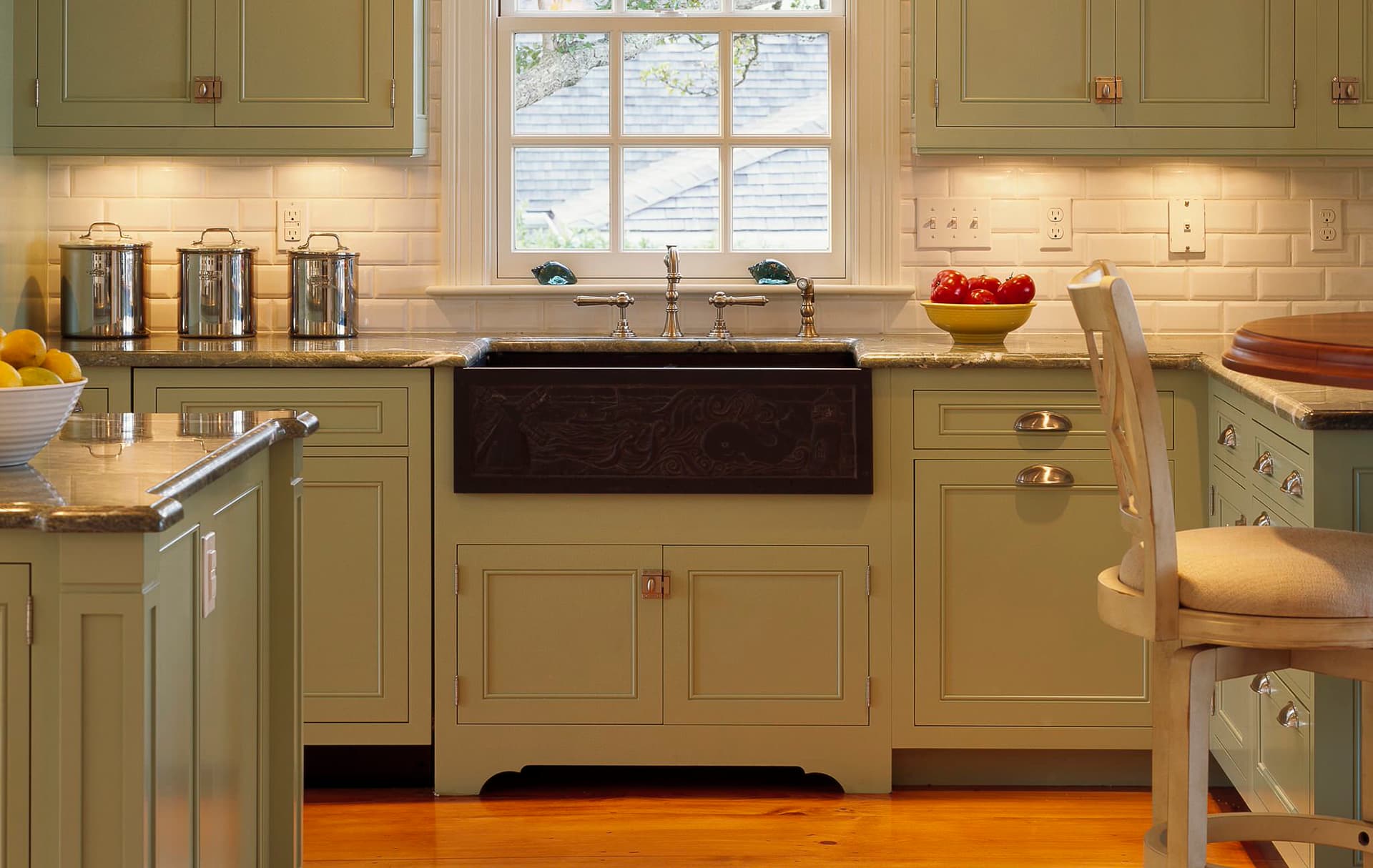
Overview: Made from acrylic, polyester resins, and natural minerals.
Advantages:
Seamless design options for integrated sinks and countertops
Non-porous and easy to clean
Available in many colors and finishes
Disadvantages:
Can be scratched or scorched by hot pans
Less heat resistant than stone or stainless steel
Repairs require professional refinishing
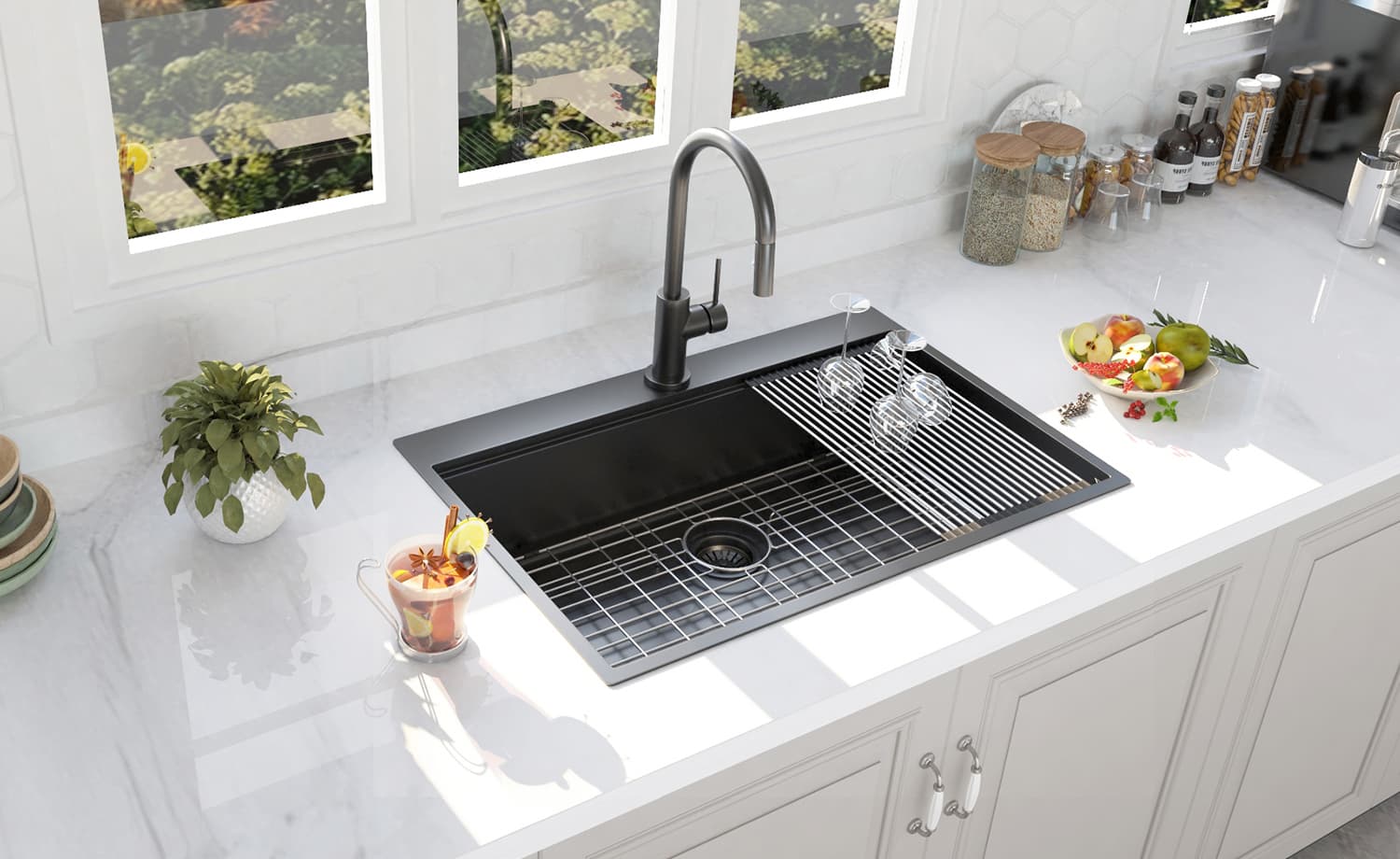
High-Use Commercial & Multifamily Projects: Thick-gauge stainless steel (16-18 gauge) offers durability, ease of maintenance, and sound dampening.
Traditional and Farmhouse Kitchens: Ceramic and fireclay provide timeless appeal with solid durability.
Luxury & Designer Kitchens: Granite composite, natural stone, and cast iron with enamel offer premium aesthetics with varying maintenance needs.
Budget-Friendly & Versatile: Acrylic and porcelain-coated steel provide entry-level options, best suited for light use or renovation projects.
Unique and Artistic Kitchens: Copper and solid surface sinks add character but require dedicated upkeep.

Product Quality and Material Standards: Choose manufacturers offering sinks compliant with international certifications like CUPC, CE, or NSF to meet European and American market regulations.
Specialization in Stainless Steel and Ceramic Sinks: Given their popularity and performance, prioritize suppliers with proven expertise in these materials.
Customization Capabilities: Ability to tailor sink dimensions, finishes, and features to fit specific project needs.
Manufacturing Capacity and Lead Times: Ensure reliable production scale to support your order volume and deadlines.
Technical Support and Warranty: Post-sale assistance and warranty coverage are critical to minimize risks and build long-term partnerships.
Sustainable Manufacturing Practices: Suppliers emphasizing eco-friendly materials and processes align with global green building trends.
Innovation in Installation: Manufacturers that simplify installation with quick-mount or tool-free designs reduce labor costs and improve efficiency.

China remains a cornerstone of global sink manufacturing, offering cost-efficient production without compromising quality. Working with well-established factories—especially those specializing in stainless steel and ceramic sinks—provides access to cutting-edge technologies, robust quality controls, and compliance with international standards.
A trusted partner can provide detailed performance data, certifications, and tailored solutions aligned with European and American market expectations.

Understanding the pros and cons of various sink materials is vital for making informed purchasing decisions that optimize durability, aesthetics, and customer satisfaction. While stainless steel and ceramic sinks continue to lead the market due to their balance of quality and cost, emerging materials like granite composite and solid surface offer attractive alternatives for specific design needs.
Selecting a reliable, experienced manufacturer with strong quality control and customer support ensures that your projects meet both functional and aesthetic requirements, building trust with your clients and end-users alike.

Q1: Which sink material offers the best durability for heavy-use kitchens?
A1: Thick-gauge stainless steel (16-18 gauge) provides superior durability, corrosion resistance, and noise reduction.
Q2: Are ceramic sinks suitable for commercial or multifamily projects?
A2: Ceramic sinks are beautiful and hygienic but may require extra care due to weight and potential chipping.
Q3: What are the benefits of granite composite sinks?
A3: Granite composite sinks are scratch and heat resistant, non-porous, and offer a premium look with moderate maintenance.
Q4: How to verify the quality of a sink manufacturer in China?
A4: Check for certifications (CUPC, CE), factory audits, clear communication, and experience with international standards.
Q5: Why is material thickness important in stainless steel sinks?
A5: Thicker gauges reduce denting, noise, and increase longevity, important for commercial and multifamily use.


