Views: 0 Author: Site Editor Publish Time: 2025-07-03 Origin: Site
Choosing the right kitchen sink can feel tricky. You might love the idea of more space, or maybe you want to multitask while cooking. Your habits and kitchen size play a big role in this decision. Studies show people in smaller homes often pick single-bowl kitchen sinks for their simplicity and space-saving design. Larger families or those who like to cook together lean toward options like a double bowl kitchen sink. Here are a few things shaping these choices:
Single-bowl sinks fit best in compact kitchens.
Double or multi-bowl sinks help busy households stay organized.
Urban homes often go for compact, functional kitchen sinks.
How you cook, clean, and organize your space matters most.
Single bowl sinks take up less space and fit in small kitchens. They give you more space for big pots. They also make cleaning easier.
Double bowl sinks let you do more than one thing at once. You can wash in one bowl and rinse in the other. This helps keep your kitchen neat and makes work faster.
Think about your kitchen size and how you cook every day. Also, look at how much counter space you have before picking a sink.
Single bowls are easier to put in and clean. Double bowls need more care and more space.
Measure your space well and choose a sink that fits your style. Pick one that works with how you use your kitchen. This will make cooking easier and more fun.
Choosing between kitchen sinks can feel overwhelming. You want something that fits your space and matches how you work in the kitchen. Your habits, kitchen size, and what you value most—like multitasking or having room for big pots—will guide your decision.
A scoping review of 27 studies shows that kitchen size and layout shape your cooking and cleaning experience. The way you move around, prepare food, and even socialize in the kitchen depends on how much space you have and where things like the sink sit. For example, some people want extra space under the sink for a stool, not storage. Your daily habits and comfort matter just as much as the look of your kitchen.
When you pick a sink, think about these questions:
How much counter space do you have?
Do you often cook big meals or use large cookware?
Do you like to keep clean and dirty dishes separate?
Is multitasking important to you?
Do you want a simple setup or more organization?
Tip: Most people care more about sink depth than style. A recent survey found that 68% of homeowners put depth first. Deeper sinks help with washing big pots and controlling splashes, but they can take away from under-sink storage.
You also want to consider how easy it is to install and clean your sink. Some models, like undermount or farmhouse sinks, look great and give you more space, but they can cost more and need special cabinets. Drop-in sinks are easier to install but may take up more counter space.
Let's break down the main differences between single and double bowl kitchen sinks. This table gives you a quick look at what each type offers:
Feature | Single Bowl Sink | Double Bowl Sink |
|---|---|---|
Space for Large Items | Easy to fit big pots | Can be tight for large pans |
Multitasking | One task at a time | Wash and rinse separately |
Counter Space Needed | Needs less space | Needs more counter space |
Organization | Less separation | Separate clean/dirty dishes |
Installation | Simple | More complex |
Cleaning | Fewer corners | More edges to clean |
Best For | Small kitchens, simple use | Busy kitchens, multitasking |
Single bowl kitchen sinks work well in small kitchens. You get more open space for washing big items.
Double bowl kitchen sinks shine in busy homes. You can soak dishes on one side and rinse veggies on the other.
Double bowl models need more counter space. They may not fit in every kitchen.
Double sinks help you stay organized. You can keep dirty dishes away from clean ones.
You see many options for kitchen sinks, from drop-in to undermount, farmhouse, and even workstation styles. Each type has its own pros and cons. For example, double bowl sinks let you separate tasks, but they take up more room. Single bowl sinks keep things simple but may not let you multitask as easily.
Note: Most kitchen sinks fall between 8 and 10 inches deep. This depth works for most kitchens and helps balance washing space and storage.
When you look at your kitchen, think about what matters most to you. Do you want to save space, or do you need to juggle many tasks at once? Your answer will help you pick the right sink.
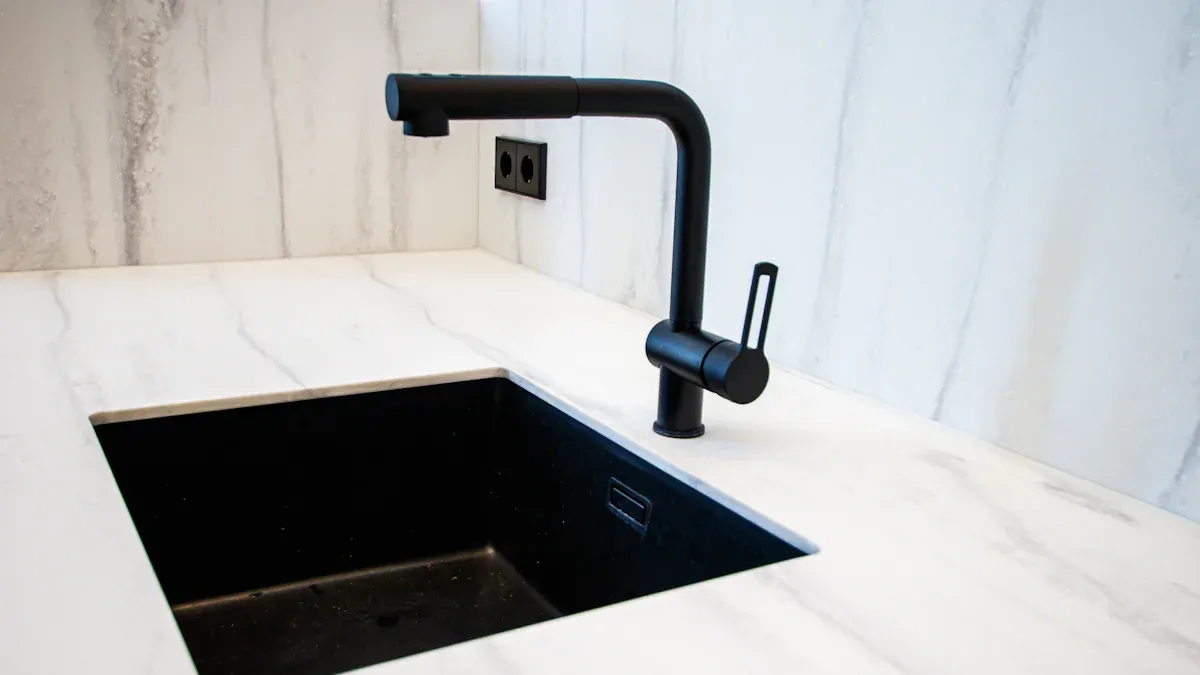
You might love how a single bowl kitchen sink makes your kitchen feel open and simple. Many people choose a single bowl because it gives you more room for big pots and pans. You can wash baking sheets, stockpots, or even your pet's water bowl without feeling cramped. A single bowl kitchen sink also means fewer corners and edges, so cleaning goes faster. You just wipe around the inside, and you're done.
Here are some benefits you'll notice with a single bowl:
You get more counter space for food prep and storage.
Cleaning feels easier since there's no divider in the way.
A single bowl kitchen sink usually costs less than a double bowl.
You can fit almost anything inside, from large dishes to tall pitchers.
Tip: If you want a sink that's easy to keep clean, a single bowl makes it simple. No divider means you can reach every spot.
Let's look at a quick table that shows what people like about single bowl kitchen sinks:
Advantages of Single Bowl Kitchen Sinks |
|---|
More counter space for prep and storage |
Easier to clean—no divider |
Often more affordable |
A single bowl does have some drawbacks. You might find it hard to multitask. If you want to soak dishes and rinse veggies at the same time, a single bowl kitchen sink can make that tricky. You only get one space, so you can't separate clean and dirty items. Some people also notice that a single bowl gets noisy when you wash dishes. There's no divider to help block sound.
Here are a few drawbacks you might face:
Limited capacity for washing or soaking many dishes at once.
No way to separate tasks, like washing and rinsing together.
Can be noisier during use.
Not ideal if you want to soak dishes and prep food at the same time.
Note: In a small kitchen, a single bowl can sometimes take up more counter space than you expect. Make sure you measure before you buy.
Here's a table to sum up the drawbacks:
Drawbacks of Single Bowl Kitchen Sinks |
|---|
Limited capacity for many or large dishes |
Hard to multitask—no separation |
Can be noisier |
Not ideal for soaking and prepping together |

A double bowl kitchen sink gives you a lot of flexibility. You can wash dishes in one bowl and prep food in the other. This double bowl setup helps you multitask and keeps your kitchen running smoothly. Many people love how a double-bowl sink lets them separate clean and dirty dishes. You get better organization and less clutter on your counters.
You might notice that a double bowl kitchen sink saves time. Studies show you can finish daily chores up to 30% faster because you can do two things at once. The double bowl design also helps you avoid cross-contamination. You can use one side for washing veggies and the other for rinsing dishes. This segregation of tasks keeps your kitchen safer and cleaner.
A double bowl kitchen sink works best in busy homes. If you cook a lot or have a big family, you will appreciate the double bowl design. The two-bowl kitchen sink makes it easy to keep things neat. You can even use one bowl for soaking and the other for drying. Many double-bowl sinks use stainless steel, which lasts a long time and stays looking good.
Tip: Double bowl kitchen sinks often come with sound-absorbing pads. These pads help keep your kitchen quieter when you wash dishes.
Here's a quick look at the benefits:
Benefits of Double-Bowl Sink |
|---|
Multitasking made easy |
Better organization |
Task separation |
Improved hygiene |
Durable and quiet |
A double bowl kitchen sink has some drawbacks. You need more counter space for a double bowl. It may not fit well in a small kitchen. Sometimes, large pots or pans do not fit easily in a double-bowl sink. You might have to wash big items in parts, which can get messy.
Cleaning a double bowl kitchen sink takes more effort. The double bowl design has more seams and corners. Dirt and scale can build up in these spots. You may spend extra time scrubbing. Water can splash onto the counter when you try to wash large items in a two-bowl kitchen sink. This means more cleaning for you.
Some people find that a double bowl kitchen sink costs more to install. The double bowl setup can also make under-sink storage tight. If you do not need segregation of tasks or better organization, a single bowl might work better for you.
Note: Double bowl kitchen sinks work best in larger kitchens. If you have a small space, you may want to choose a single bowl instead.
Here's a table to sum up the drawbacks:
Drawbacks of Double-Bowl Sink |
|---|
Needs more counter space |
Hard to fit large pots and pans |
More corners to clean |
Can cause water splashes |
May cost more to install |
If you have a small kitchen, you know every inch counts. You want to keep things simple and open. A single bowl kitchen sink works best here. It saves space and gives you more room for food prep or storage. You can fit a single bowl into tight spots, so you don't lose valuable counter area. Many people in apartments or city homes pick a single bowl sink because it fits their lifestyle.
You might notice that a single bowl makes cleaning up easier. You can wash big pots or baking sheets without bumping into a divider. You also get fewer corners to scrub. When you choose a single bowl, you keep your kitchen looking neat and less crowded.
Tip: Measure your kitchen before you buy a sink. Make sure you leave space for the dishwasher or trash pull-out. This helps your kitchen flow better.
Here's a quick list of why a single bowl works for small kitchens:
Saves counter space
Easy to clean
Fits large items
Makes the kitchen feel open
A large kitchen gives you more options. You can pick a double bowl sink or a bigger single bowl. Many people choose a double bowl because it helps with multitasking. You can wash dishes on one side and prep food on the other. This setup keeps things organized and speeds up your workflow.
Design experts say the kitchen work triangle helps you move between the sink, stove, and fridge with less effort. In a big kitchen, you can place a double bowl sink near the dishwasher or trash pull-out. This makes chores easier and keeps your kitchen running smoothly.
A single bowl still works in a large kitchen if you want lots of space for big cookware. Some people like a deep single bowl for washing large pots. Others prefer the task separation a double bowl gives.
Kitchen Size | Best Sink Choice | Why It Works |
|---|---|---|
Small | Single bowl | Saves space, easy to clean |
Large | Double or single bowl | More room, multitasking, flexibility |
You get to decide what fits your space and habits best. Think about how you use your kitchen every day.
Your daily kitchen routine shapes which sink works best for you. If you cook often, you probably deal with lots of dishes, pots, and pans. You might also need space for food preparation, like washing vegetables or draining pasta. A single bowl sink gives you a wide, open area. You can fit big items easily. You can also clean up fast because there are fewer corners to scrub.
Double bowl sinks help you separate tasks. You can soak dirty dishes in one bowl and use the other for rinsing or food preparation. Scientists have tested dishwashing in two-sink systems. They found that using one bowl for soaking and washing, and the other for rinsing, saves water and cleans better. You fill both bowls halfway—hot water for washing, cold for rinsing. You add detergent after filling the water, so you avoid too much foam. You wash dishes in steps: scrape leftovers, soak tough stains, wash lighter items, rinse quickly, and let them air dry. You change the water when it gets dirty. This routine keeps your kitchen efficient and tidy.
Tip: If you want to save time and water, try washing dishes in filled sinks instead of running the tap.
Think about how many things you do at once in your kitchen. Do you like to wash dishes while prepping food? Do you want to keep clean and dirty items apart? Double bowl sinks offer multitasking convenience. You can wash veggies in one bowl and soak pans in the other. This setup helps you stay organized, especially during busy meal times.
Single bowl sinks work well if you focus on one task at a time. You get more space for large cookware, but you may need to wait until you finish washing before you start food preparation. If you have a small kitchen or cook simple meals, a single bowl might fit your habits better.
Sink Type | Best For | Example Workflow |
|---|---|---|
Single Bowl | Simple routines, big cookware | Wash, then prep food |
Double Bowl | Multitasking, busy households | Soak dishes + prep food together |
Your habits decide which sink feels right. Think about your daily flow and what makes your kitchen time easier.
You might wonder how to install a kitchen sink. The steps can look simple, but each sink type has its own tricks. Here's a quick guide to help you see what's involved:
Measure your countertop opening. Make sure the new sink fits.
Turn off the water supply. Disconnect the plumbing under the sink.
Remove the old sink. Clean the area well.
Place the new sink in the opening. Check for a snug fit.
Attach the sink using clips or brackets. Some sinks need special support.
Connect the faucet and drain. Tighten all the fittings.
Turn the water back on. Check for leaks.
Drop-in sinks usually go in faster. You just set them in place and seal the edges. Undermount and farmhouse sinks take more time. They need extra support and careful sealing. If you want to save money, you can try a DIY install. Many people call a pro for complex sinks or if plumbing changes are needed.
Tip: Reusing your old faucet or keeping the same plumbing layout can cut costs.
Kitchen sink prices can change a lot. The type, material, and how you install it all matter. Market research shows most kitchen sinks in the US cost between $400 and $2,000, including installation. Some sinks cost less, while high-end models go higher.
Here's a table to show how different sink types and materials affect the price:
Sink Type | Average Installed Cost |
|---|---|
Drop-in | $200 – $600 |
Undermount | $300 – $1,000 |
Farmhouse | $500 – $2,000 |
Bar/Utility | $150 – $500 |
Material | Average Installed Cost |
|---|---|
Stainless Steel | $250 – $800 |
Composite | $300 – $1,200 |
Cast Iron | $400 – $1,500 |
Quartz/Granite | $500 – $2,000 |
Porcelain | $350 – $1,000 |
Copper | $600 – $2,500 |
Other things can change the price:
Labor costs go up if you need plumbing moved or a custom fit.
Removing an old sink adds to the bill.
Special features like sound pads or extra-deep bowls cost more.
DIY installs save on labor, but you need the right tools.
If you want to save, pick a simple sink, reuse your faucet, and keep your plumbing where it is. This way, you get a great sink without breaking the bank.
You want your kitchen to look fresh and feel clean. A single bowl sink makes this job simple. You get fewer corners and edges, so you can wipe the whole surface in one go. Most people find it easy to reach every spot. If you have a porcelain or vitreous china sink, you only need mild soap and a soft sponge. These materials resist stains and do not hold onto grime.
Some sinks, like concrete or natural stone, need a bit more care. You should use gentle, non-abrasive cleaners and avoid harsh chemicals. Regular sealing helps protect against stains and water damage. If you see a tough spot, try vinegar or a little baking soda. For deep stains, a soft scrub pad works well. Always dry the sink after cleaning to stop water spots.
Here's a quick cleaning checklist for single bowl sinks:
Rinse food scraps right away.
Use mild soap and a soft cloth daily.
Dry the sink after each use.
Seal stone or concrete sinks every few months.
Tip: Clean stains as soon as you see them. This keeps your sink looking new and saves you time later.
Sink Material | Cleaning Needs |
|---|---|
Porcelain/China | Mild soap, soft sponge |
Stainless Steel | Gentle scrub, rinse, dry |
Concrete/Stone | pH-neutral cleaner, sealant |
Copper | Regular wipe, gentle polish |
A double-bowl sink gives you more options, but it needs a bit more attention. You have two bowls, so you deal with extra corners and seams. Food bits can hide in these spots. You should rinse both bowls after each use. Pre-scrape food debris before washing dishes. This step keeps your double-bowl sink cleaner and helps prevent clogs.
Many people use one side for washing and the other for rinsing or sanitizing. Studies show this setup can save water and time. For example, a cleaning study found that using a new detergent in a double-bowl sink cut water use by 25 liters and made cleaning 15% faster. You can follow a simple routine for the best results:
Scrape off food scraps.
Fill one bowl with hot, soapy water (at least 110°F).
Wash dishes in the first bowl.
Rinse or sanitize in the second bowl.
Change the rinse or sanitizer every few hours.
You should avoid using your double-bowl sink for handwashing, food prep, or mops. This keeps your kitchen safe from cross-contamination. If you have a copper or acrylic double-bowl sink, remember to clean gently and polish if needed. Composite granite and solid surface sinks need less frequent cleaning, so you get an easier cleaning experience.
Keep a small brush handy for seams and corners. This tool helps you reach tricky spots and keeps your double-bowl sink sparkling.
Double-Bowl Sink Material | Cleaning Tips |
|---|---|
Stainless Steel | Wipe both bowls, dry after use |
Composite Granite | Mild cleaner, less frequent cleaning |
Acrylic | Gentle polish, avoid scratches |
Copper | Regular cleaning, preserve patina |
A double-bowl sink works best when you stick to a routine. You keep both sides fresh and ready for your next meal.
You want your kitchen sink to fit your life, not the other way around. Before you decide, take a moment to check off these points. This list helps you match your habits and space to the right sink:
Measure your current sink and countertop. Make sure the new one fits.
Think about how you use your kitchen. Do you cook big meals or just quick snacks?
Look at your cabinet space. Double bowl sinks need more room underneath.
Count the faucet holes you need for your faucet and any extras like a sprayer or soap dispenser.
Pick a sink shape and material that matches your style. Stainless steel, porcelain, or granite all have different looks and care needs.
Decide if you want special features. Some sinks have seamless drains or sound-absorbing pads.
Check the drain placement. Center drains make cleaning easier. Rear drains give you more space in the bowl.
Tip: If you love multitasking, a double bowl helps you do more at once. If you want easy cleaning and space for big pots, a single bowl might be your best friend.
Here's a quick table to help you compare:
Step | Single Bowl | Double Bowl |
|---|---|---|
Fits small kitchens | ✅ | ❌ |
Multitasking | ❌ | ✅ |
Easy to clean | ✅ | ❌ |
Needs more plumbing | ❌ | ✅ |
Holds big cookware | ✅ | ❌ |
You have a lot to think about when making kitchen sink decisions. Keep these final tips in mind:
Always measure twice before you buy.
Choose a sink that matches your cooking and cleaning style.
Don't forget about accessories. Soap dispensers, spray heads, and garbage disposals can make life easier.
Make sure your cabinet and countertop can handle the sink you want.
Pick a faucet that fits your needs. Single lever, dual handle, or even wall-mounted—each has its perks.
Look for durable materials. Stainless steel and granite last a long time and look great.
Remember, your kitchen sink should make your daily routine smoother. Trust your gut and pick what feels right for you.
Choosing the right kitchen sink comes down to what you need most. You might want more space, or you may love multitasking. Reviews show both single and double bowl sinks have unique strengths:
Single bowl sinks save space, cost less, and fit big pots.
Double bowl sinks help you multitask and keep things organized.
Take a look at your kitchen and daily habits. Pick the sink that matches your style. Trust yourself—you know what works best for you!
You want a sink that saves space. A single bowl, about 22 to 25 inches wide, fits most small kitchens. It gives you enough room to wash dishes without crowding your counters.
You can try, but double bowl sinks need careful plumbing. They often weigh more and need extra support. If you have experience, go for it. If not, you might want to call a pro.
Not always. If you fill both bowls for washing and rinsing, you can actually use less water than running the tap. Try this routine:
Fill one bowl with soapy water.
Use the other for rinsing.
Turn off the faucet while scrubbing.
Stainless steel sinks clean up fast. You just need soap and water. They resist stains and scratches. Porcelain also wipes clean, but it can chip. Composite sinks hide spots well, but you should avoid harsh cleaners.



