
Views: 0 Author: Site Editor Publish Time: 2026-02-27 Origin: Site
In 2026, the global B2B plumbing market is defined by a "Compliance First" mentality. For importers, distributors, and hotel procurement officers in North America and Europe, the stakes have shifted from simple aesthetics to mandatory high-efficiency performance and smart integration.
This guide explores the regulatory landscape and the manufacturing standards necessary to thrive in an eco-conscious, tech-driven market.

In the United States and Canada, the cUPC (Uniform Plumbing Code) remains the baseline for safety, ensuring products are lead-free (meeting NSF/ANSI 61 & 372) and structurally sound. However, the true gatekeeper for 2026 is EPA WaterSense.
Faucets & The 1.2 GPM Mandate: What was once a recommendation in California (CEC) has become a nationwide expectation. B2B buyers now prioritize bathroom faucets with a maximum flow rate of 1.2 GPM.
Toilets & High-Efficiency Flushing: The standard has moved toward 1.1 GPF (gallons per flush) or dual-flush systems. In 2026, "MaP scores" (Maximum Performance) are critical; a toilet must demonstrate it can move significant waste with minimal water to avoid maintenance callbacks in high-traffic hotel environments.
The "Feel" Factor: Modern aerators mix air with water to maintain a high-pressure sensation while reducing actual volume. Google now frequently highlight "aerated flow" as a solution to the perceived "weak pressure" of low-flow fixtures.
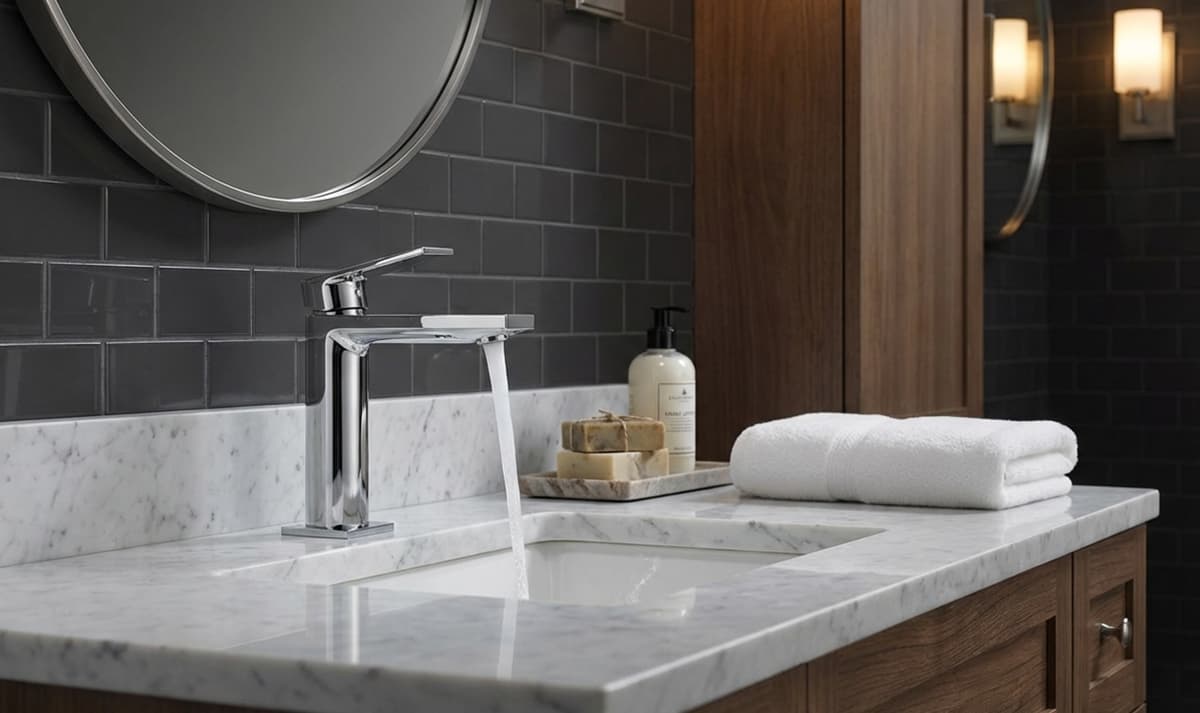
The CE Mark remains the essential passport for the European Economic Area. However, the Unified Water Label (UWL) is now the primary tool for B2B differentiation.
Energy-Water Nexus: With utility costs rising, European developers use UWL ratings to qualify for green building subsidies (LEED/BREEAM). A faucet that saves water also saves the energy required to heat that water—a massive selling point for hospitality groups.
Post-Brexit UK: While the UKCA mark is official, 2026 regulations continue to recognize CE marking for most plumbing fixtures, simplifying the supply chain for dual-market distributors.

The 2026 market is no longer satisfied with "analog" fixtures. B2B buyers are pivoting toward wellness-centered design, where technology meets water conservation.
Touchless Intelligence: Motion-sensor faucets have moved beyond airports into luxury hotels and residential primary baths, driven by hygiene and water-saving automation.
Smart Toilets & Bidets: The "washlet" revolution has peaked. B2B buyers are looking for integrated units with automatic flushing, UV self-cleaning nozzles, and heated seats, all while meeting strict electrical and plumbing certifications (like UL or ETL in the US).
Aesthetic Durability: Performance is nothing without longevity. High-end PVD (Physical Vapor Deposition) finishes are the 2026 standard for scratch resistance and color consistency across large-scale projects.
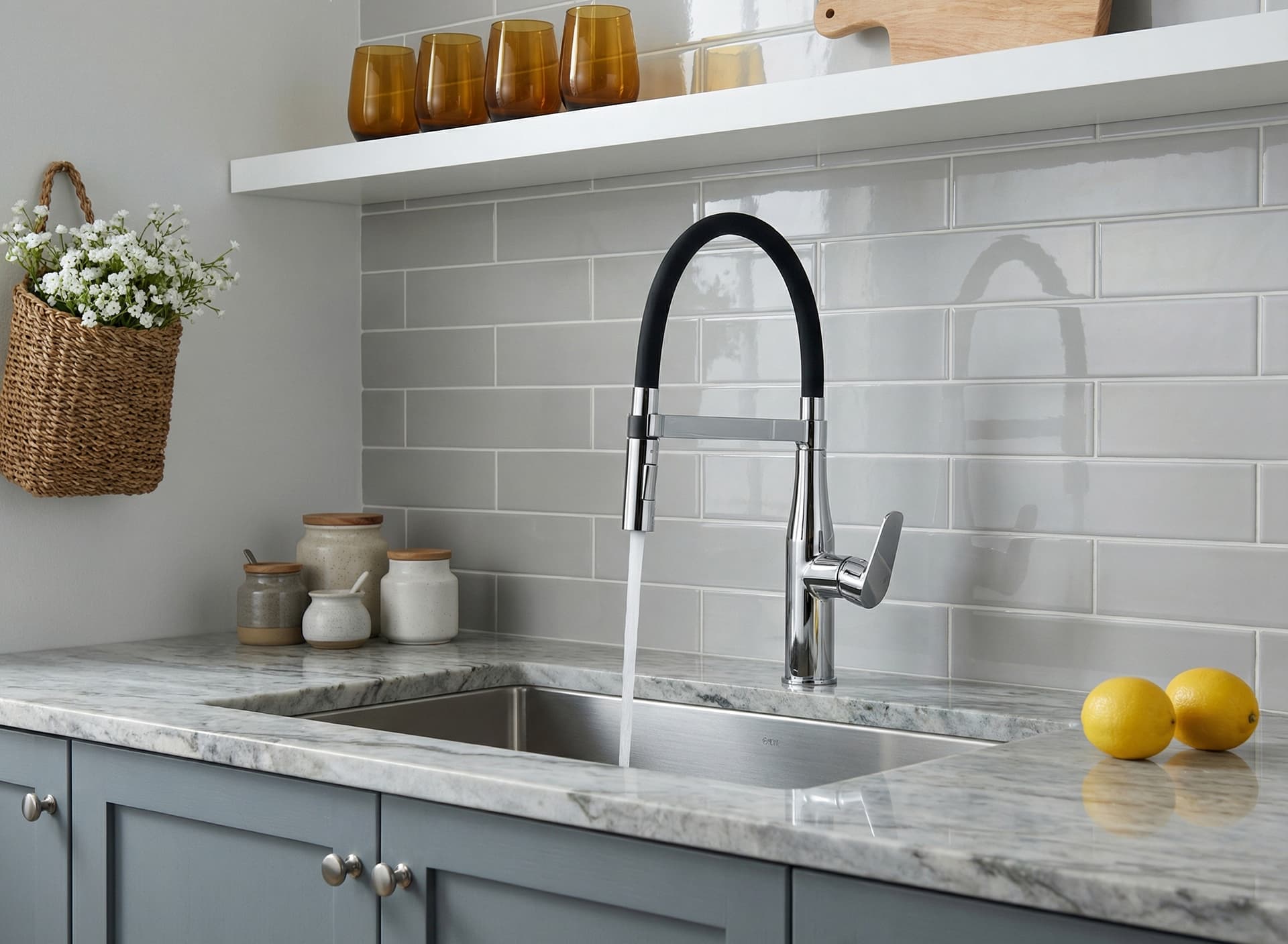
Securing a reliable supply chain requires a partner who treats compliance as a baseline, not a hurdle. Aquacubic, a premier manufacturer of high-end kitchen and bathroom fixtures, has emerged as a global leader in this space.
By operating a sophisticated 100,000 m² production base, Aquacubic ensures every unit—from sleek PVD faucets to high-performance toilets—meets the rigorous cUPC, WaterSense, and CE standards. Their integration of advanced ceramic disc cartridges and precision-engineered flush valves allows B2B clients to offer high-efficiency performance without sacrificing the "luxury feel" expected by the 2026 consumer. With 100% air and water pressure testing, Aquacubic provides the zero-defect reliability essential for large-scale hotel developments and private-label brands.

Q1. Is 1.2 GPM sufficient for high-end hotel guest satisfaction?
A:Yes. By utilizing advanced aeration technology, manufacturers like Aquacubic create a "voluminous" spray. In 2026, guests prioritize sustainability, and a well-engineered 1.2 GPM faucet provides a premium experience with 30% less water usage.
Q2. How do I verify a manufacturer's "Lead-Free" claims for faucets?
A:Always request official IAPMO or NSF listing numbers. Authentic manufacturers will be searchable in public databases, ensuring compliance with NSF/ANSI 372 (the standard for lead content).
Q3. What is the impact of the UKCA mark on my European stock in 2026?
A:The UK government continues to recognize the CE mark for most plumbing fixtures. This allows you to maintain a unified inventory for both the EU and Great Britain, reducing SKU complexity for international distributors.
Q4. Why is PVD finishing preferred over traditional electroplating for B2B?
A:PVD is a vacuum coating process that is more environmentally friendly and significantly more durable. For hotels, this means faucets and hardware look "new" longer, reducing the total cost of ownership (TCO).
Q5. Are smart toilets difficult to certify for North American projects?
A:They require dual certification: plumbing (cUPC) and electrical (UL/ETL). Working with an experienced manufacturer like Aquacubic ensures these complex components are pre-certified, preventing customs delays.


