Views: 0 Author: Site Editor Publish Time: 2026-07-21 Origin: Site
If you've ever sourced stainless steel kitchen sinks for a residential development, hotel chain, multifamily apartment project, or kitchen retail brand, you've probably encountered a frustrating reality: two sinks that appear nearly identical on a specification sheet can perform very differently after installation. One may still look pristine after years of heavy daily use, while the other develops dents, rust stains, standing water, or customer complaints within months. For North American distributors and contractors, those differences translate directly into warranty claims, replacement costs, and damaged brand reputation.
One reason is that the global sink market often groups fundamentally different products under the same label—"stainless steel sink." In reality, there are two distinct manufacturing philosophies behind today's products: hydraulic-pressed (stamped) sinks and handmade stainless steel sinks. Although both are made from stainless steel, their production methods, material thickness, structural strength, customization capabilities, and expected service life differ dramatically.
This distinction has become increasingly important as kitchens across the United States and Canada evolve. Today's homeowners expect deeper basins, workstation accessories, premium finishes, and products that complement quartz countertops, custom cabinetry, and professional-grade appliances. Developers and hospitality operators, meanwhile, are under constant pressure to reduce maintenance costs while delivering durable, attractive kitchens that enhance property value. These changing expectations have accelerated the shift toward handmade stainless steel sink manufacturing, particularly in the premium residential and commercial sectors.
Another factor influencing purchasing decisions is the global supply chain. North American buyers must now evaluate not only price and appearance but also material quality, certification compliance, country of origin, and trade policies such as anti-dumping duties. A low initial purchase price can quickly become less attractive if the product requires costly replacements or is subject to additional import tariffs.
This article takes a practical, engineering-focused look at how genuine handmade stainless steel sinks are manufactured, why their production process differs so significantly from hydraulic-pressed sinks, and how those differences affect durability, aesthetics, customization, and long-term project profitability. Rather than serving as a simple buying guide, this discussion aims to help architects, contractors, distributors, and procurement professionals better understand what lies behind the finished product.
Every high-quality stainless steel sink begins long before welding or polishing. The manufacturing process starts with selecting the correct raw material, and this single decision has a greater influence on long-term performance than many buyers realize.
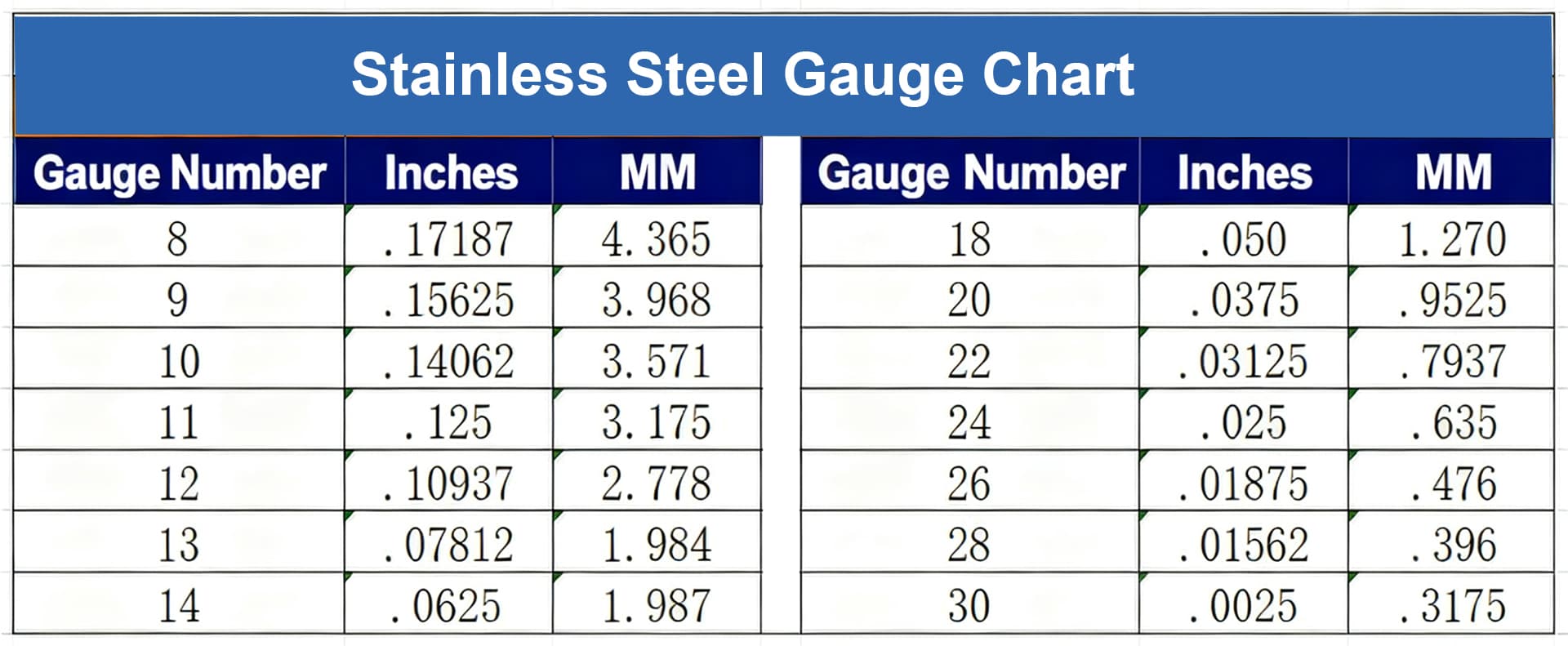
Premium handmade sinks are typically manufactured from 16-gauge (approximately 1.5 mm) or 18-gauge (approximately 1.2 mm) SUS304 stainless steel. Unlike thinner materials used in budget products, these heavy-gauge sheets maintain consistent thickness throughout the finished sink. Because the steel is bent rather than stretched, there are no hidden weak points where the material becomes thinner during production.
For projects in coastal regions or demanding commercial environments, some manufacturers also offer 316 stainless steel, which contains molybdenum for enhanced resistance to chloride corrosion. Although more expensive, 316 stainless steel is often specified for luxury waterfront properties, commercial kitchens, and marine applications where exposure to salt air or aggressive cleaning chemicals is common.
By contrast, many low-cost stamped sinks rely on steel sheets only 0.5–0.9 mm thick. To reduce production costs further, some manufacturers substitute 201 stainless steel for the industry-standard 304 grade. While 201 stainless steel can be suitable for certain low-cost applications, its lower nickel content and higher manganese composition reduce corrosion resistance. In hard-water regions, humid climates, or coastal environments, these sinks are more susceptible to discoloration, surface oxidation, and eventually rust.
For North American buyers, this distinction extends beyond product quality. Material composition also influences compliance with customer specifications and industry expectations. Professional developers, hotel groups, and commercial builders increasingly request documented material certifications to verify that products meet project requirements before installation.
Ultimately, the manufacturing process cannot compensate for inferior raw materials. Even the most advanced production equipment cannot transform low-grade steel into a premium sink capable of decades of reliable service.
Once the raw material has been selected, the production paths of handmade and stamped sinks diverge completely.
A hydraulic-pressed sink begins with a single sheet of stainless steel placed inside a massive forming press. Within seconds, hydraulic pressure forces the sheet into a steel mold, creating the entire sink bowl in one operation. The process is remarkably efficient and ideal for high-volume manufacturing, allowing factories to produce thousands of identical units each day.
However, efficiency comes with trade-offs. During deep drawing, the steel stretches unevenly. Areas around the corners and sidewalls become thinner than the original sheet, creating structural points that are more vulnerable to denting under impact. Because the sink's shape is determined entirely by fixed molds, customization options are limited. Producing new sizes or integrated workstation ledges requires expensive tooling changes, making custom projects impractical.
Handmade manufacturing follows a far more flexible approach.
Instead of stretching one sheet, manufacturers first use precision laser cutting equipment to prepare separate side panels and bottom panels according to engineering drawings. Skilled technicians then bend each component individually, ensuring that every wall maintains its original material thickness.
This method offers two important advantages.
First, the structural integrity of the sink remains consistent from top edge to bottom basin. The steel has been folded rather than stretched, preserving its original strength throughout the finished product.
Second, designers gain remarkable flexibility. Handmade production makes it possible to manufacture sinks in virtually any practical size or configuration, including oversized commercial basins, deep single-bowl sinks, double bowls with unequal proportions, integrated workstation ledges, and custom corner radii such as R10 or R15.
For architects working on luxury homes, boutique hotels, or custom residential developments, this flexibility has become increasingly valuable. Rather than designing cabinetry around standardized sink dimensions, designers can specify sinks that match their project requirements precisely.
As a result, handmade sinks have become the preferred solution for premium kitchens where customization, aesthetics, and functionality are equally important.
The defining characteristic of a genuine handmade stainless steel sink is not simply that people assemble it by hand. It is the level of craftsmanship involved in transforming individual stainless steel panels into a seamless finished product.
After bending, experienced craftsmen join the components using TIG (Tungsten Inert Gas) welding, a precision welding process widely recognized for producing clean, strong, and highly controlled welds. Unlike automated high-speed production methods, TIG welding allows technicians to carefully manage heat input, ensuring structural strength while minimizing distortion of the stainless steel.
Each weld is then subjected to an extensive finishing process.
Grinding removes excess material, sanding smooths transitions, and multiple polishing stages gradually blend the weld lines into the surrounding surface. The objective is not merely cosmetic. Proper finishing eliminates sharp edges, improves cleanability, and helps prevent food residue or moisture from collecting around poorly finished joints.
For premium manufacturers, welding and finishing alone can occupy a significant portion of the overall production schedule. Combined with repeated inspections and subsequent processing steps, the complete manufacturing cycle for a high-quality handmade sink commonly extends to 60–75 days.
This extended production timeline often surprises first-time buyers accustomed to mass-produced stamped sinks. Yet from an engineering perspective, the longer schedule reflects the complexity of producing a premium product rather than manufacturing inefficiency.
The additional time supports tighter dimensional tolerances, more thorough quality inspections, superior surface preparation, and greater consistency between production batches. These characteristics are particularly important for OEM customers supplying established North American kitchen brands, where maintaining product consistency across thousands of units is essential.
By comparison, a stamped sink can move from raw material to finished component within hours. While this speed supports lower manufacturing costs, it cannot replicate the structural flexibility, customization potential, or craftsmanship that distinguish premium handmade stainless steel sinks.
When procurement managers compare quotes from multiple suppliers, the price difference between a handmade stainless steel sink and a pressed sink often raises an obvious question: Why pay more?
The answer lies in manufacturing methods, raw materials, expected service life, and long-term ownership costs rather than the purchase price alone. A sink installed in a luxury condominium or hotel is expected to remain functional and visually appealing for decades. A sink installed in an entry-level rental property may only need to satisfy short-term cost objectives. Understanding these differences helps buyers avoid selecting the wrong product for the wrong project.
The comparison below summarizes the technical distinctions most relevant to North American distributors, builders, architects, and OEM buyers.
Feature | Handmade Stainless Steel Sink | Hydraulic Pressed Sink |
|---|---|---|
Manufacturing Method | Hand-bent, TIG welded, hand polished | One-piece hydraulic pressing |
Steel Thickness | Uniform 16 gauge (1.5mm) or 18 gauge (1.2mm) | Typically 0.5–0.9mm |
Material | Premium SUS304 (optional SUS316) | Often 201 stainless steel in low-cost models |
Structural Strength | Excellent dent resistance | Easily dented under heavy cookware |
Corrosion Resistance | Outstanding | Lower when using 201 steel |
Custom Sizes | Fully customizable | Very limited |
PVD Colors | Matte Black, Gunmetal, Gold, Copper | Rarely available |
Workstation Design | Easily integrated | Difficult to manufacture |
Expected Service Life | 20–30 years | 5–10 years |
Typical Applications | Luxury homes, hotels, apartments, commercial kitchens | Budget housing, temporary renovations |
Although the initial cost of a handmade sink is higher, lifecycle economics often favor the premium product. Contractors working on multifamily housing developments have learned that replacing damaged sinks after occupancy is significantly more expensive than specifying higher-quality sinks during construction.
This principle is especially important for hospitality projects. Hotels cannot afford guest complaints caused by dented basins, corrosion around drain openings, or discoloration after only a few years of operation. As a result, many international hotel brands specify 16-gauge handmade stainless steel sinks in their procurement standards despite the higher acquisition cost.
Choosing the "best" sink depends less on the product itself and more on the project's objectives. Experienced purchasing managers rarely ask, "Which sink is cheapest?" Instead, they ask, "Which sink creates the lowest total project cost over the next twenty years?"
Luxury custom homes increasingly feature oversized kitchen islands, open-concept layouts, and premium appliances. Buyers expect a sink that complements quartz countertops, designer faucets, and integrated storage systems.
Handmade sinks excel because they offer:
perfectly square modern styling
deeper bowls
workstation accessories
PVD color finishes
custom dimensions
For architects, these features create greater design freedom while maintaining structural durability.
Apartment developers constantly balance construction budgets with long-term maintenance costs.
A thin pressed sink may save several dollars during initial procurement, but repeated maintenance visits caused by dents, scratched finishes, or rusting significantly increase ownership costs.
Many North American apartment developers now specify 18-gauge handmade sinks as the optimal balance between durability and cost.
Hotels represent one of the fastest-growing segments for handmade sinks.
Guest rooms require products that remain attractive after thousands of cleaning cycles.
Commercial kitchens demand sinks capable of handling heavy cookware, frequent sanitization, and constant use.
Handmade stainless steel provides:
better structural rigidity
quieter operation
easier sanitation
stronger resistance to cleaning chemicals
These characteristics help reduce replacement frequency and improve guest satisfaction.
Restaurants, schools, healthcare facilities, and institutional kitchens prioritize sanitation and reliability above appearance.
Commercial operators typically select:
SUS304 stainless steel
16-gauge construction
welded corners
sound-deadening treatment
cUPC-certified products
The additional strength becomes particularly valuable when handling cast iron cookware, heavy stock pots, and continuous daily use.
One of the biggest misconceptions in sink sourcing is believing that material thickness alone determines quality. In reality, several other factors deserve equal attention.
Not all stainless steel performs equally.
201 stainless steel offers lower cost but reduced corrosion resistance.
304 stainless steel remains the North American industry standard.
316 stainless steel provides enhanced corrosion resistance for coastal or commercial environments.
Verifying material certifications before production begins helps eliminate quality disputes later.
Premium handmade sinks typically include:
heavy-duty sound pads
anti-condensation coatings
reinforced bottoms
These features reduce noise during operation while protecting cabinetry from moisture damage.
Modern kitchens increasingly prefer tighter inside corners such as R10 or R15.
These designs maximize usable sink space while maintaining reasonable cleaning accessibility.
Traditional pressed sinks usually require much larger corner radii because hydraulic forming limits design flexibility.
Surface finishing dramatically affects both aesthetics and durability.
Common options include:
brushed stainless
satin finish
linen finish
bead blast
nano coating
Among these, PVD has become one of the fastest-growing premium finishes because it combines exceptional scratch resistance with modern architectural colors.
North American kitchen designers increasingly specify matte black, brushed gunmetal, and brushed gold PVD finishes for upscale remodeling projects.
Selecting the right manufacturer often matters more than selecting the right sink model.
Before placing a production order, experienced sourcing teams typically verify:
factory manufacturing capability rather than trading status
stainless steel material certificates
welding quality
polishing consistency
cUPC certification
production lead times
quality inspection procedures
export experience
packaging protection
after-sales support
Factory audits—either virtual or on-site—remain one of the most effective ways to reduce procurement risks.
Many experienced North American importers also diversify production across multiple countries to improve supply-chain resilience and reduce exposure to changing tariff policies.
For established distributors, procurement decisions extend well beyond unit pricing.
Aquacubic operates integrated manufacturing facilities in both China and Thailand, producing handmade stainless steel sinks, PVD-coated sinks, and workstation models for OEM customers across North America. Every project follows standardized quality-control procedures using full-thickness 16- and 18-gauge SUS304 stainless steel, with cUPC-compliant production available for the U.S. market. Beyond manufacturing, the company emphasizes practical support—including installation-friendly packaging, retail-ready product presentation, responsive technical assistance, and dependable logistics. With more than 300,000 PVD sink installations worldwide and long-term cooperation with Fortune 500 retail partners, Aquacubic focuses on delivering measurable value through consistent quality rather than competing solely on price.
Links:How to Order Custom Stainless Steel Sinks from a Factory
Choosing between a handmade stainless steel sink and a pressed sink is not simply a matter of comparing prices—it is a strategic procurement decision that influences installation efficiency, long-term durability, customer satisfaction, and overall project profitability. Although hydraulic-pressed sinks remain a practical solution for budget-sensitive developments, their thinner construction, limited customization, and shorter service life often result in higher maintenance costs over time.
In contrast, handmade sinks manufactured from 16-gauge or 18-gauge SUS304 stainless steel offer superior strength, premium aesthetics, greater design flexibility, and compatibility with today's most popular workstation configurations and PVD-coated finishes. These advantages explain why luxury residential builders, hospitality developers, commercial kitchen contractors, and premium kitchen brands throughout North America increasingly specify handmade sinks as their preferred solution.
For distributors, wholesalers, architects, and procurement managers, success depends not only on selecting the right sink but also on partnering with manufacturers capable of delivering consistent quality, certified compliance, reliable lead times, and flexible production capacity. As global supply chains continue to evolve, experienced buyers recognize that investing in higher manufacturing standards today often prevents costly warranty issues and project delays tomorrow.
Ultimately, the best-performing projects are rarely built around the lowest purchase price—they are built around products that continue performing long after installation. That is precisely why the handmade stainless steel sink has become the benchmark for premium kitchen projects across North America.
Q1. Are handmade stainless steel sinks worth the investment?
A:Yes. Handmade sinks typically offer better durability, stronger construction, and more customization options than pressed sinks. For residential and commercial projects, their longer service life and lower maintenance needs can help reduce replacement costs over time.
Q2. Why is 304 stainless steel better than 201 stainless steel?
A:304 stainless steel provides better corrosion resistance, durability, and long-term performance. While 201 stainless steel is more affordable, it is less resistant to rust and is generally not recommended for premium kitchens or commercial applications.
Q3. Can handmade sinks be customized for different projects?
A:Yes. Handmade stainless steel sinks can be customized in various sizes, shapes, drain locations, corner designs, and installation styles. They are ideal for OEM projects, workstation sinks, farmhouse sinks, and custom residential or commercial applications.
Q4. Are handmade stainless steel sinks difficult to maintain?
A:No. Handmade stainless steel sinks require only regular cleaning with mild soap and a soft cloth. For PVD finishes, avoiding abrasive cleaners helps maintain the surface appearance and durability for many years.
Q5. Are PVD-coated sinks suitable for commercial use?
A:Yes. PVD-coated sinks offer excellent resistance to scratches, stains, and daily wear. They are widely used in premium residential kitchens, hotels, restaurants, and other high-end commercial projects.
Q6. How do trade policies affect stainless steel sink sourcing?
A:Import duties and trade policies can affect overall costs depending on the manufacturing location and product origin. Many buyers now work with suppliers from multiple regions to improve supply chain flexibility and cost control.
Q7. What should buyers check before ordering stainless steel sinks?
A:B2B buyers should review material quality, certifications, factory capabilities, inspection procedures, and export experience. Reliable suppliers should provide documentation such as stainless steel test reports, certifications, and quality control records.