
Views: 0 Author: Site Editor Publish Time: 2026-02-25 Origin: Site
Across Europe and North America, the bathroom is undergoing a technological transformation. What was once a purely functional space has become a connected wellness environment, integrating touchless controls, digital temperature systems, intelligent lighting, water monitoring, and hygiene-enhancing automation.
Search growth for terms such as smart bathroom products, touchless hotel faucets, digital shower systems, and intelligent bathroom mirrors reflects a clear market shift. But while consumer demand is rising, B2B buyers—brands, wholesalers, developers, and hospitality suppliers—face a more complex question:
How do you source smart bathroom products that are reliable, compliant, and scalable—without increasing operational risk?
This article provides a practical, industry-focused guide to understanding smart bathroom fixtures for family residences and hotel projects, while outlining what professional buyers should expect from a qualified manufacturing partner.
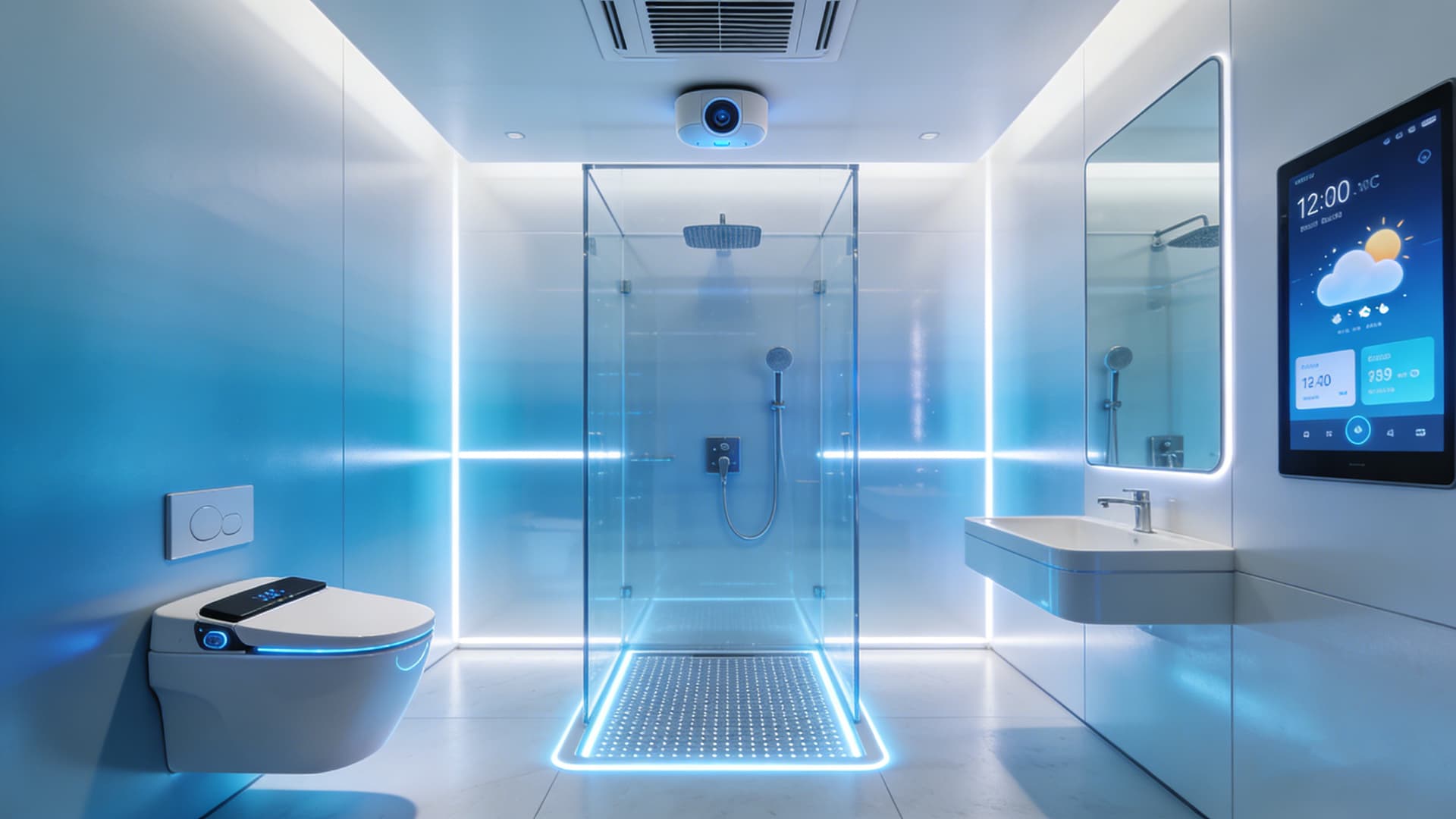
The smart bathroom trend is driven by three major forces:
Post-pandemic behavior has permanently elevated expectations around contactless operation. Touchless faucets, automatic flushing toilets, and sensor lighting are now considered hygiene essentials rather than luxury upgrades.
Consumers increasingly expect bathrooms to connect with smart ecosystems—voice assistants, mobile apps, and home automation systems. Digital thermostatic showers and app-controlled faucets align with broader smart home adoption trends.
Water-saving technologies, temperature stabilization, and real-time usage monitoring meet both regulatory requirements and environmental expectations in the US and EU markets.
For hotels and residential developers, smart bathroom fixtures deliver not only user comfort but also measurable cost control and brand differentiation.
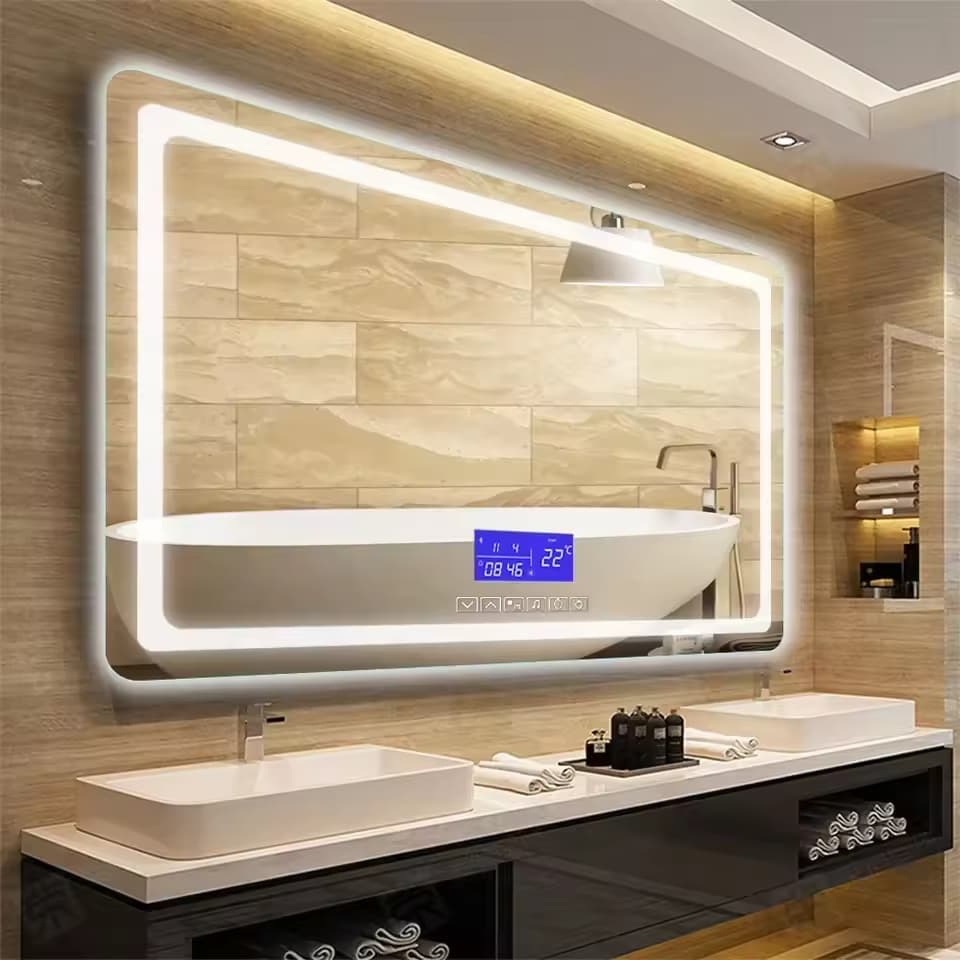
When B2B buyers evaluate smart bathroom sourcing, the product scope extends beyond a single fixture.
Modern smart faucets combine:
Infrared sensor activation
Adjustable flow rates
Temperature memory settings
Leak detection technology
App connectivity (in premium models)
In hotels, touchless faucets reduce water waste and maintenance calls. In homes, they enhance hygiene and energy efficiency.
For buyers, critical technical concerns include:
Sensor lifespan
Solenoid valve durability
Power supply stability (battery vs. AC)
Waterproof electronic protection
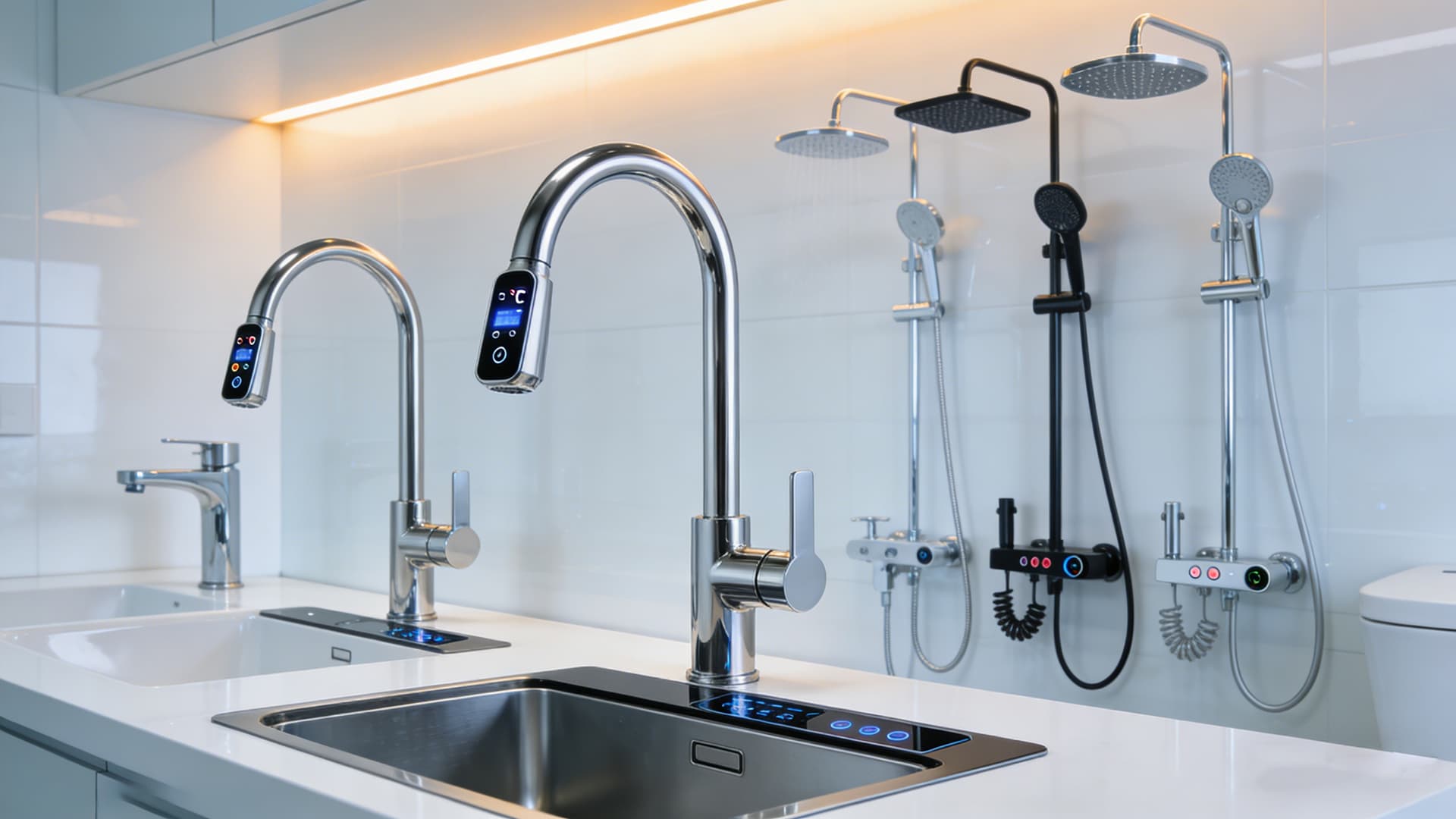
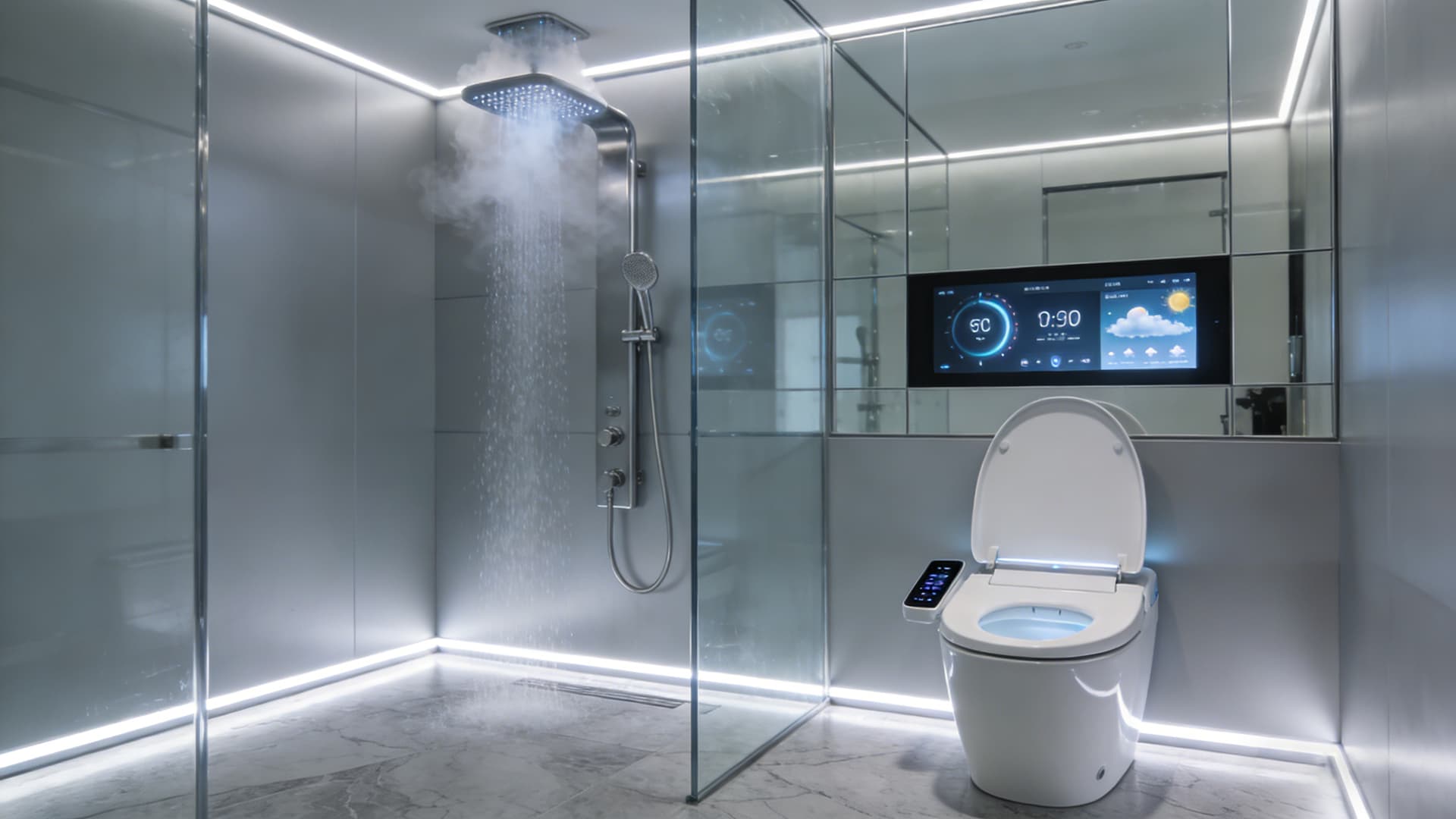
Smart showers are becoming standard in high-end residential and hospitality projects. Features may include:
Digital temperature control panels
Pre-programmed user profiles
Water-saving eco modes
Remote activation
Pressure balancing systems
In hotels, digital showers improve guest satisfaction while limiting temperature fluctuation complaints. For residential brands, they position products within the premium smart living category.
Buyers must ensure:
Cartridge longevity
High-pressure tolerance
Certification compliance
Stable electronic boards
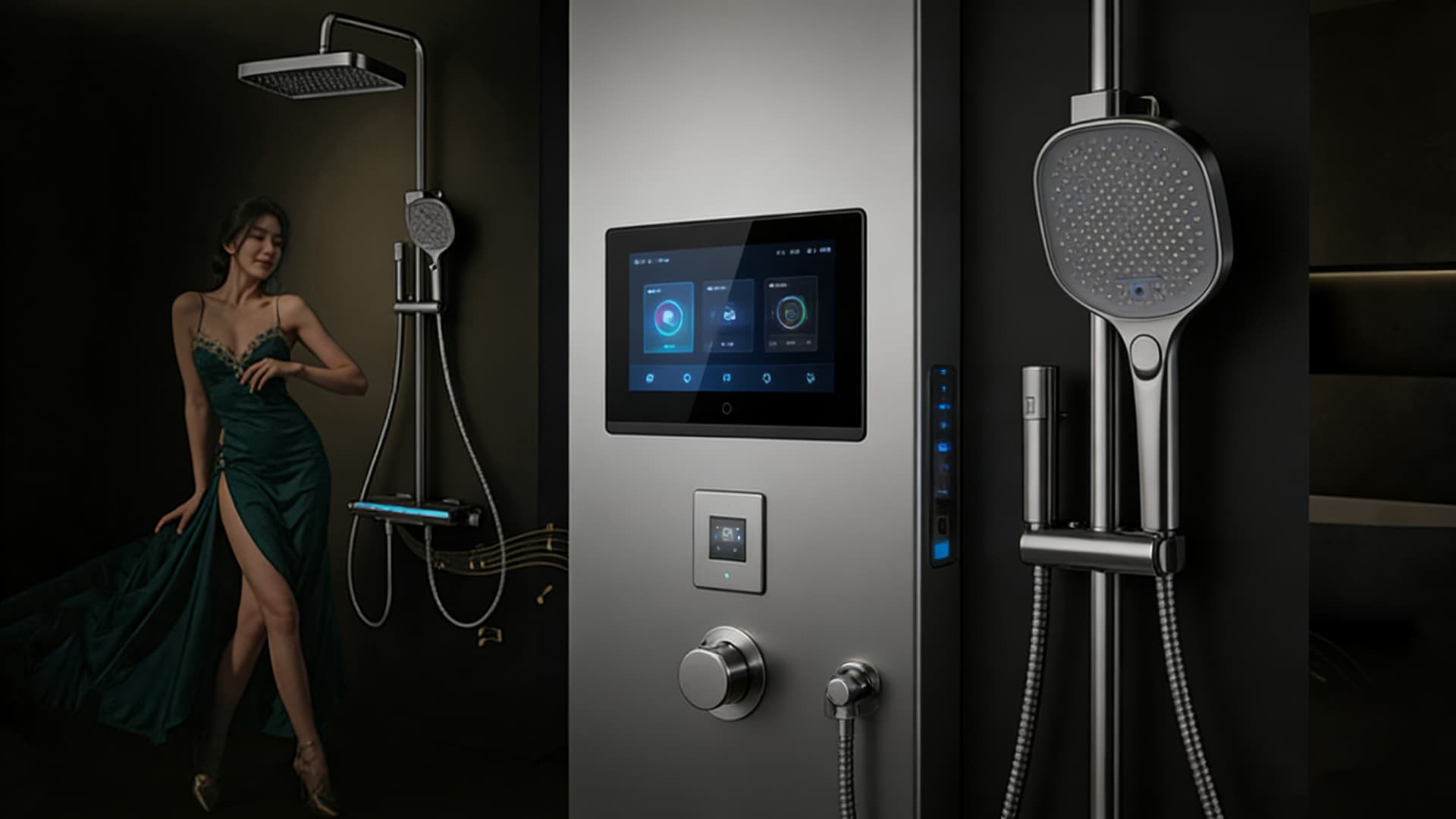
Smart bathroom cabinets integrate:
Anti-fog heating pads
Dimmable LED lighting
Bluetooth audio systems
Motion sensors
USB charging ports
Digital clocks and humidity displays
In family bathrooms, these features improve daily convenience. In hotels, they elevate perceived luxury while supporting energy-efficient lighting systems.
Durability in humid environments and safe transformer integration are essential for long-term performance.

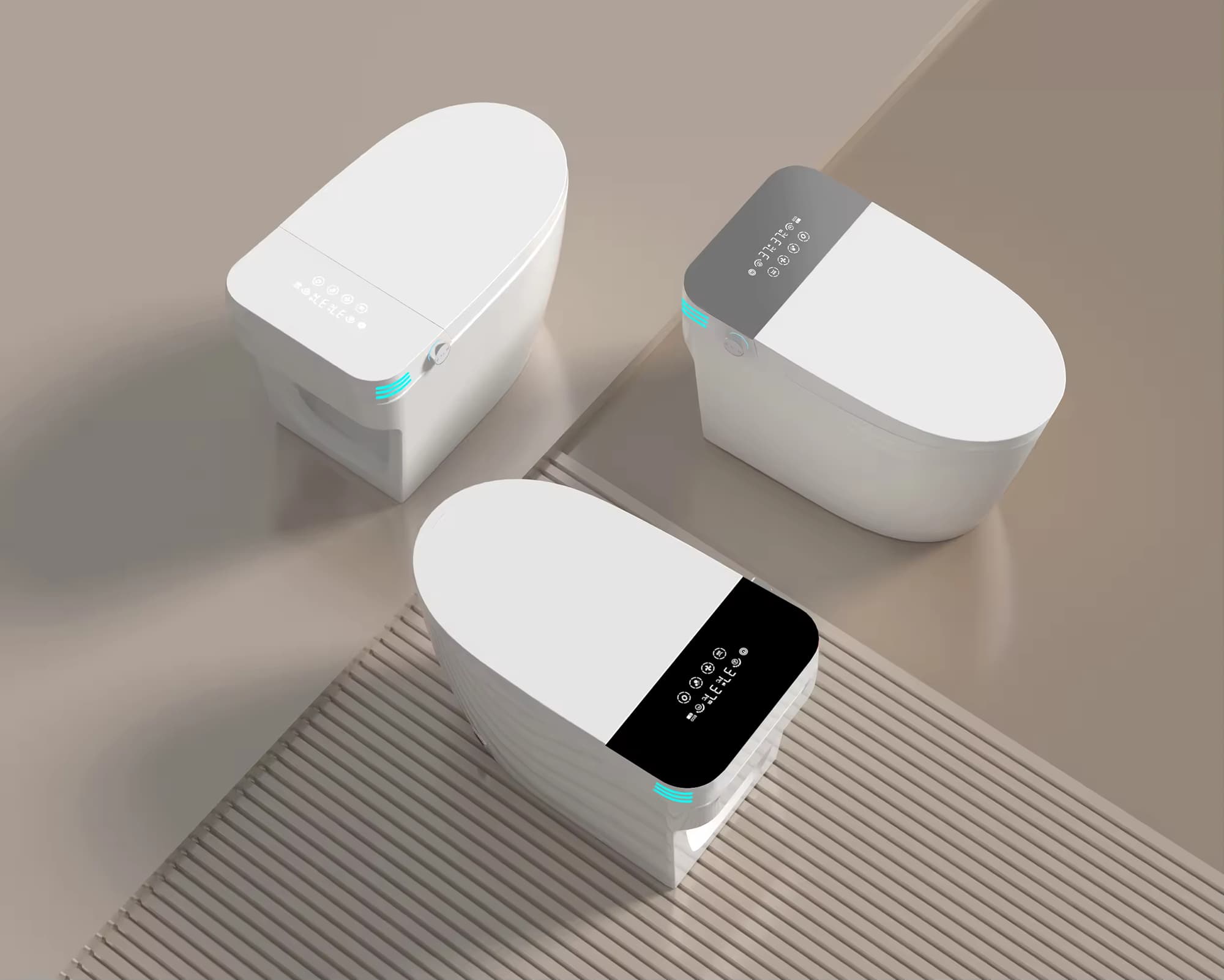
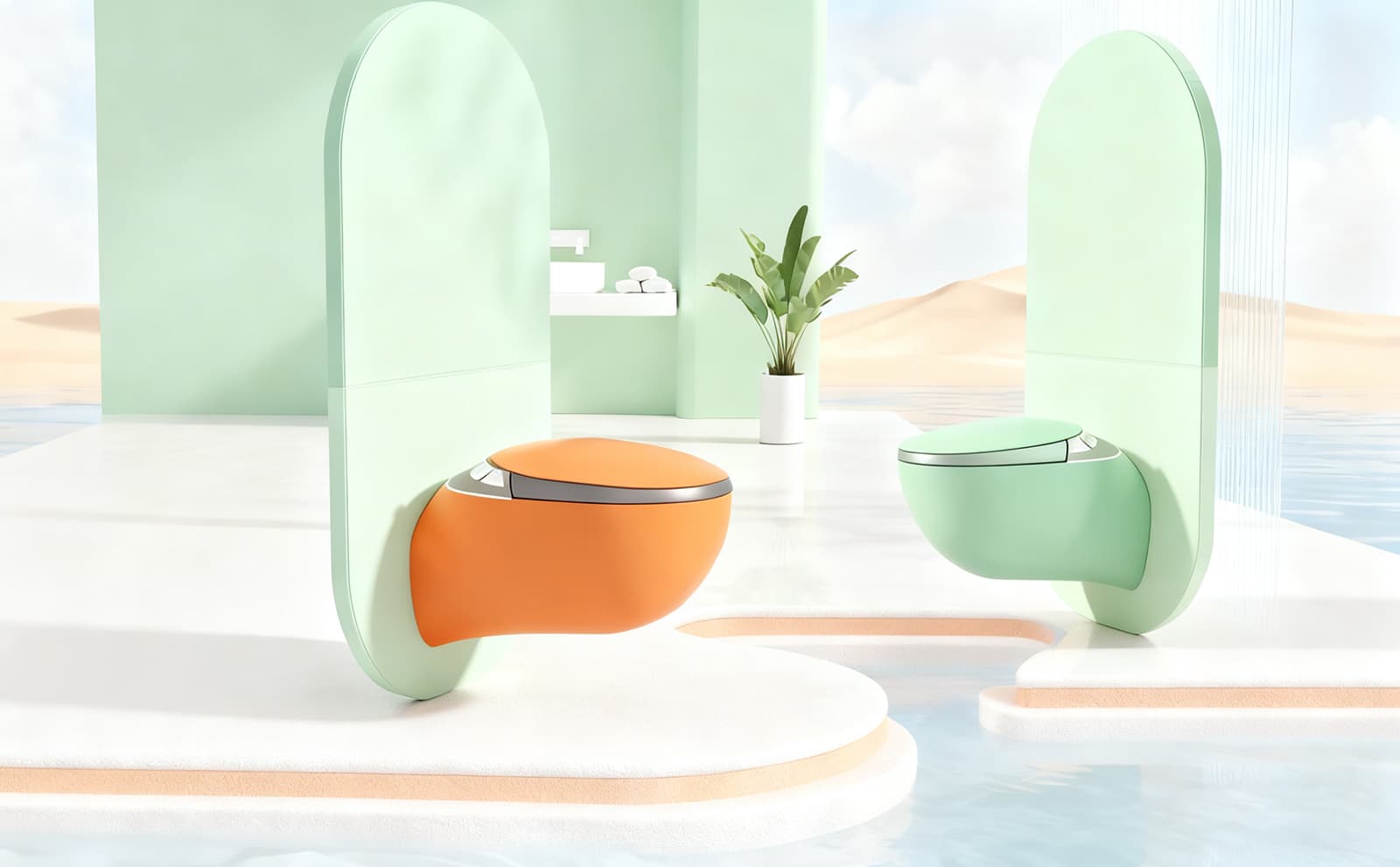
The Western market has rapidly embraced smart toilets featuring:
Heated seats
Automatic flushing
Self-cleaning nozzles
UV sterilization
Adjustable bidet functions
Night lighting
For hospitality operators, smart toilets enhance guest experience while reducing sanitation concerns. For distributors, certification and electrical safety testing are key risk factors.
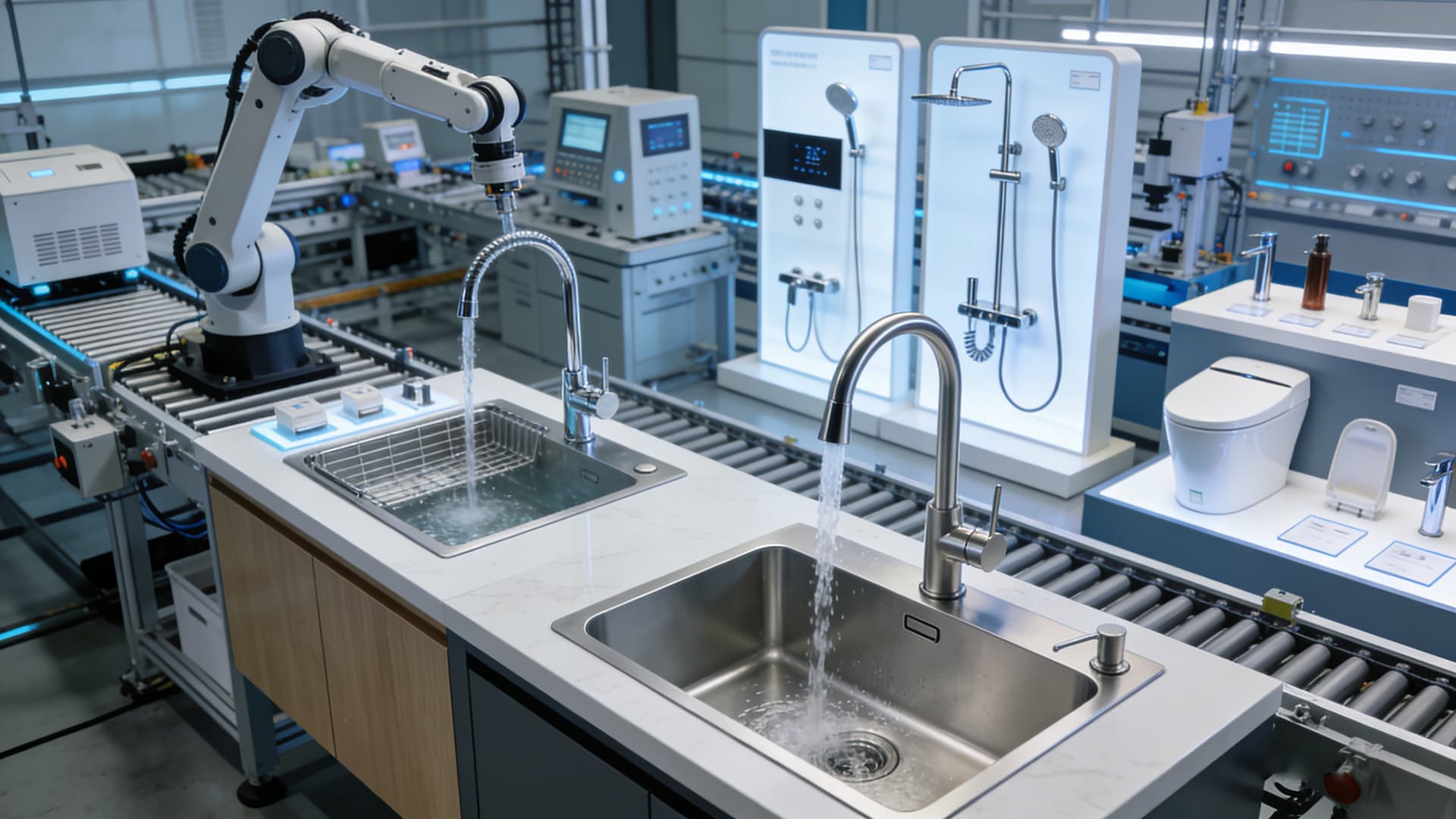
Traditional bathroom manufacturing focused on mechanical engineering—brass casting, ceramic molding, stainless steel fabrication. Smart products require an additional layer:
PCB design
Firmware programming
Waterproof circuit sealing
Electronic life-cycle testing
This integration is where many suppliers struggle.
For B2B buyers, selecting a manufacturer capable of combining mechanical durability with electronic reliability is the single most important sourcing decision.
Smart bathroom products introduce new complexities:
Software updates and compatibility
Chip supply chain stability
Spare part continuity
After-sales technical documentation
Compliance across multiple markets
Unlike traditional faucets or sinks, smart fixtures require long-term technical support.
Buyers should request:
IP protection policies
Engineering test reports
Electronic aging test data
Firmware update protocols
Clear warranty structure
| Factor | Residential Market | Hotel & Commercial Projects |
|---|---|---|
| Design Focus | Modern aesthetics & integration | Durability & easy maintenance |
| Key Feature | App connectivity & automation | Water control & hygiene |
| Risk Priority | Long-term product support | High-frequency usage resistance |
| Certification | WaterSense, CE | cUPC, commercial standards |
Understanding your target channel determines the product specification strategy.
In today’s smart bathroom sector, a qualified supplier must offer:
Integrated R&D for electronics and mechanical systems
In-house quality testing laboratories
Compliance knowledge for US & EU markets
Stable production capacity
Transparent communication
Long-term model continuity
Some experienced manufacturers, such as Aquacubic, have expanded from faucet and sink production into intelligent bathroom solutions by building stronger electronic testing systems and certification processes. Their background in brass and stainless steel fabrication, combined with structured QC systems and international compliance experience, reflects how traditional sanitary manufacturers are evolving into smart solution providers.
For European and North American buyers, partnering with a supplier that understands both product innovation and regulatory responsibility reduces operational risk significantly.

The bathroom industry is transitioning from static hardware to connected systems. As Google search trends continue to show rising interest in:
Smart home bathroom upgrades
Touchless hotel bathroom fixtures
Water-saving intelligent faucets
Digital shower systems
B2B buyers who invest early in reliable smart product partnerships will gain competitive advantages in:
Margin growth
Brand positioning
Customer retention
Sustainability compliance
The opportunity is real—but success depends on choosing the right manufacturer.
FAQs
Q1. How do I evaluate the reliability of smart bathroom electronics?
A:Request electronic aging tests, waterproof certifications, and failure rate data before placing bulk orders.
Q2. Are smart bathroom products suitable for hotel projects?
A:Yes, provided they are engineered for high-frequency usage and meet commercial compliance standards.
Q3. What certifications are required for US and EU markets?
A:Common requirements include cUPC, NSF, CE, WaterSense, and appropriate electrical safety approvals.
Q4. How important is long-term spare parts supply?
A:Critical. Smart fixtures require guaranteed availability of electronic components and replacement cartridges.
Q5. Should I source all smart bathroom products from one manufacturer?
A:Integrated sourcing improves consistency and reduces logistics complexity, provided the manufacturer has multi-category expertise.


