
Views: 0 Author: Site Editor Publish Time: 2026-03-12 Origin: Site
When we think about water conservation, faucets might not immediately come to mind as the unsung heroes of sustainability. Yet, the truth is, faucet aerators—those small, often overlooked components—are at the heart of reducing water waste in both residential and commercial bathrooms. It's like the unsung sidekick in a superhero movie that finally gets the credit it deserves.
With the increasing global demand for water-saving solutions, particularly in the US and EU markets, faucet aerators play a critical role in meeting regulatory standards while ensuring that water consumption is kept to a minimum. This article will explore how these little fixtures work, the types available, the benefits they provide, and why choosing quality aerators and faucets together can make a huge impact on both your budget and the environment.
By the end, you’ll have the knowledge to confidently recommend, select, and maintain the best aerators to fit your project’s needs, all while making an eco-conscious decision that aligns with modern bathroom design trends.

A faucet aerator is a small attachment that fits onto the end of a faucet, controlling the flow of water by mixing it with air. This simple yet effective component reduces water usage while maintaining the faucet’s pressure, ensuring that you don’t sacrifice performance for efficiency.
Think of it like a soda fountain machine: just as carbonated water is mixed with syrup to create that bubbly drink, a faucet aerator mixes air with water. This reduces the amount of water coming through the faucet without decreasing the pressure, allowing for a satisfying, high-pressure experience that uses less water.
Faucet aerators come in two primary types of flow:
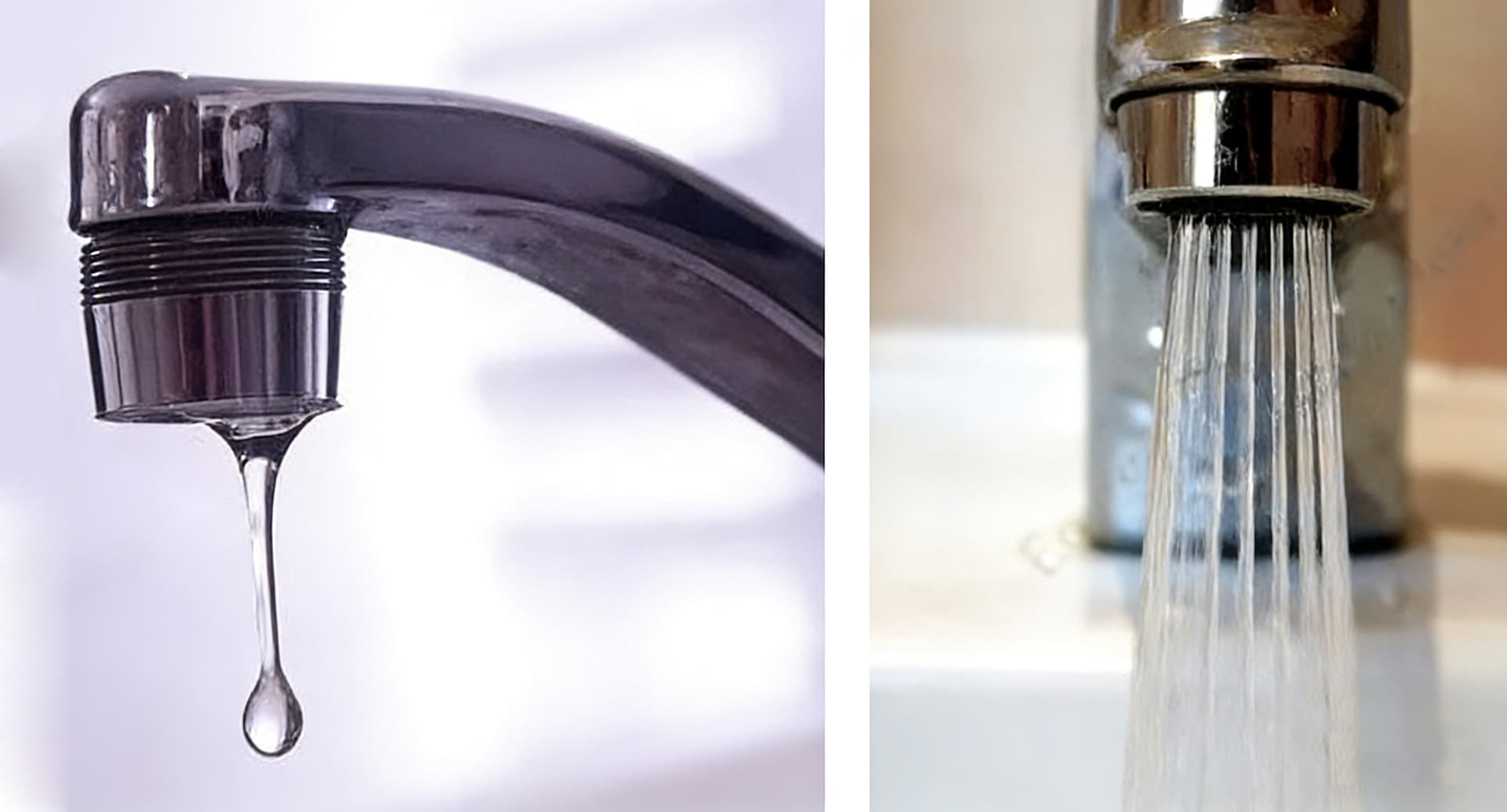
Laminar Flow: A smooth, clear stream of water without any bubbles. Perfect for tasks where a clean, precise flow is necessary, like handwashing.
Aerated Flow: A bubbly, slightly misty water flow that adds air to the water stream. This helps conserve water while maintaining the pressure, making it ideal for everyday washing tasks.
So, while aerators may seem like small components, they’re key to achieving water-saving efficiency without sacrificing performance.
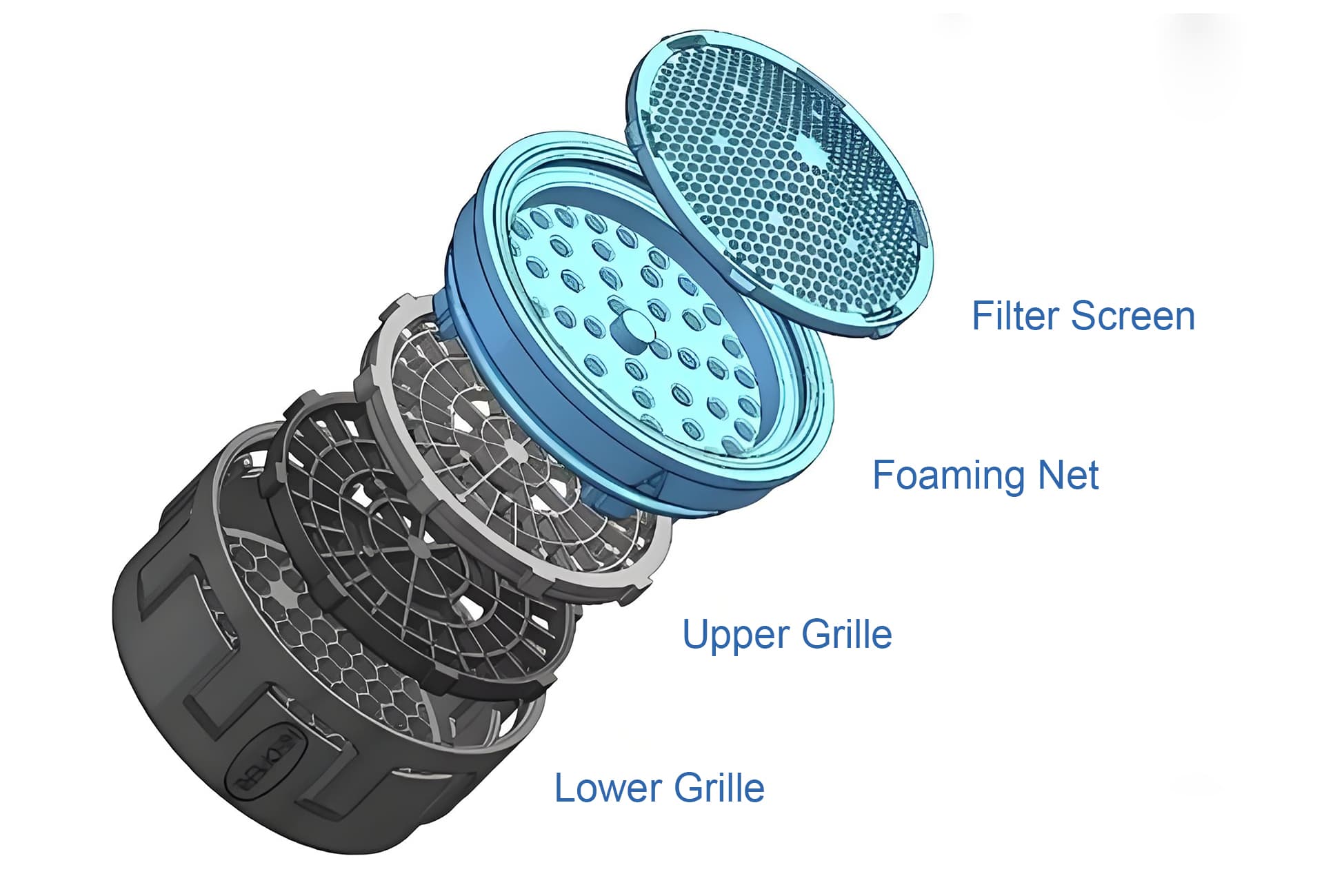
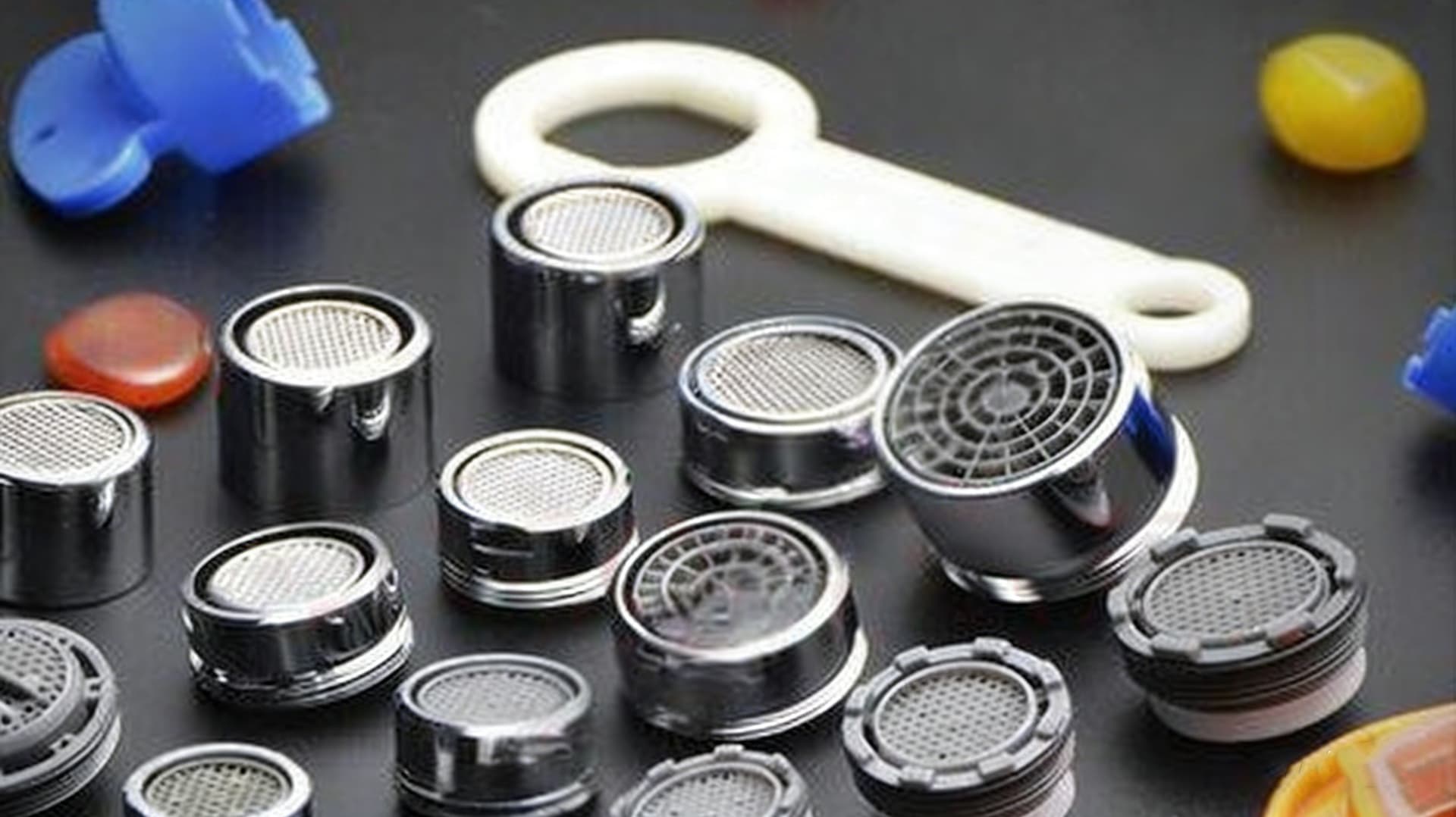
Understanding the various types of faucet aerators is essential for choosing the right one for your project. There are several types based on flow rate, installation, material, and flow type.
1.5 gpm (gallons per minute): Common for most residential applications, providing a balance of water-saving and sufficient pressure.
1.2 gpm: Ideal for water-conserving installations or places with stricter water regulations, such as in some commercial or eco-friendly residential buildings.
0.5 gpm: Ultra-low flow aerators, typically used in very water-conscious spaces like luxury eco-hotels or high-end residential buildings focused on sustainability.
WaterSense-compliant: Certified to save water while maintaining an adequate stream, these aerators typically offer 1.5 gpm or lower.
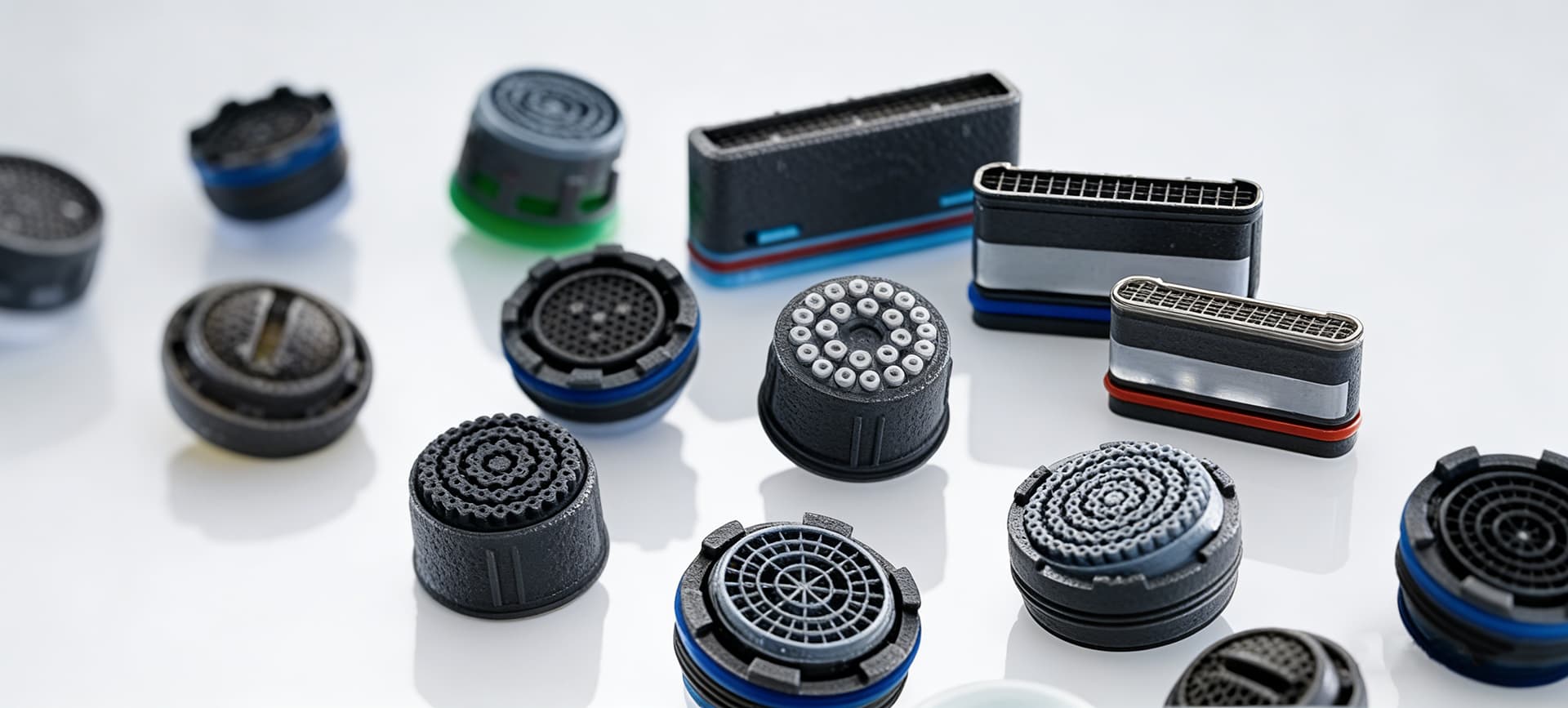
Male Thread: A traditional type of aerator where the aerator screws into the faucet’s threaded end.
Female Thread: This type fits into faucets with an internal threading.
Recessed Aerators: Designed to be integrated seamlessly into the faucet, creating a more streamlined look and feel.
Aerated: Adds air to the water stream to reduce water flow while maintaining pressure.
Laminar: Provides a smooth, clean stream, often used in labs or for tasks requiring clear water flow.
Brass Core: Often used in higher-end models due to its corrosion-resistant properties and longevity.
Plastic: Lightweight and often more affordable, though not as durable as brass.
Multi-layer Filter: Helps in trapping sediment and particles, providing better quality water flow.
Each type of aerator has its application, and choosing the right one will depend on the design, intended use, and water-saving goals of the space.
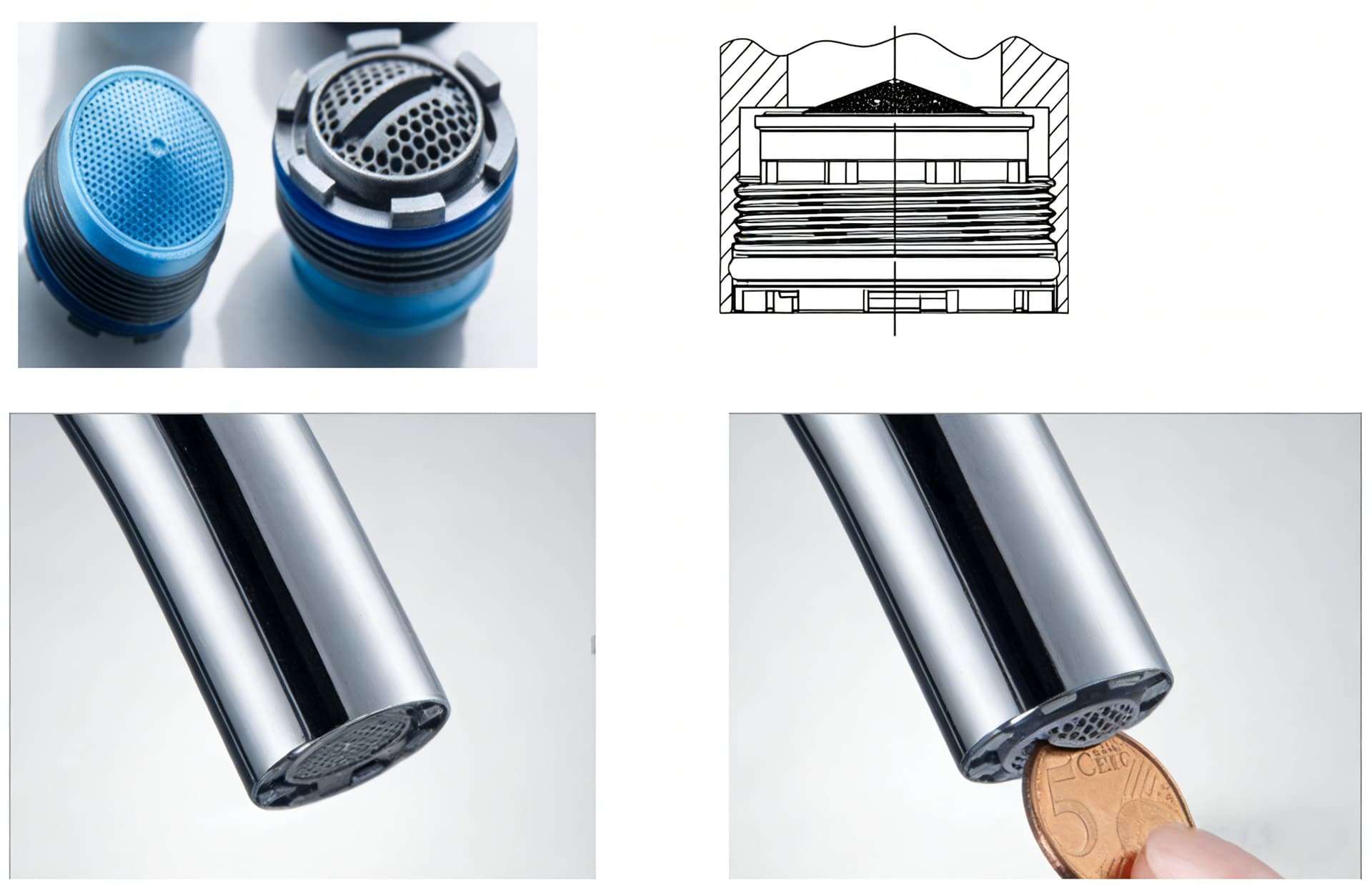
Faucet aerators don’t just reduce water flow—they offer several professional benefits that make them a must-have for any water-saving initiative.
By mixing air with water, aerators can reduce water flow by up to 50%, depending on the flow rate chosen. This translates to huge water savings, especially in multi-unit buildings, hotels, and other high-traffic facilities.
Less water flowing through the faucet means less hot water needed. Aerators can help reduce energy usage in hot water heating systems, saving both energy and money.
Aerators prevent water from splashing all over the sink, which is especially important in high-use areas like public restrooms or kitchens. The controlled flow leads to cleaner spaces, less mess, and lower maintenance costs.
Because aerators reduce the wear and tear caused by high-pressure water flow, they can extend the life of your faucets. Reduced strain means fewer replacements and lower maintenance costs over time.
Aerators help meet certifications such as WaterSense and LEED, which are critical for achieving environmental goals in both residential and commercial projects. These certifications not only promote sustainability but can also improve a building’s marketability.
“Saving water doesn’t mean you have to deal with weak water pressure.” Aerators offer a high-pressure experience while using low water consumption, ensuring users can still enjoy a satisfying faucet performance.
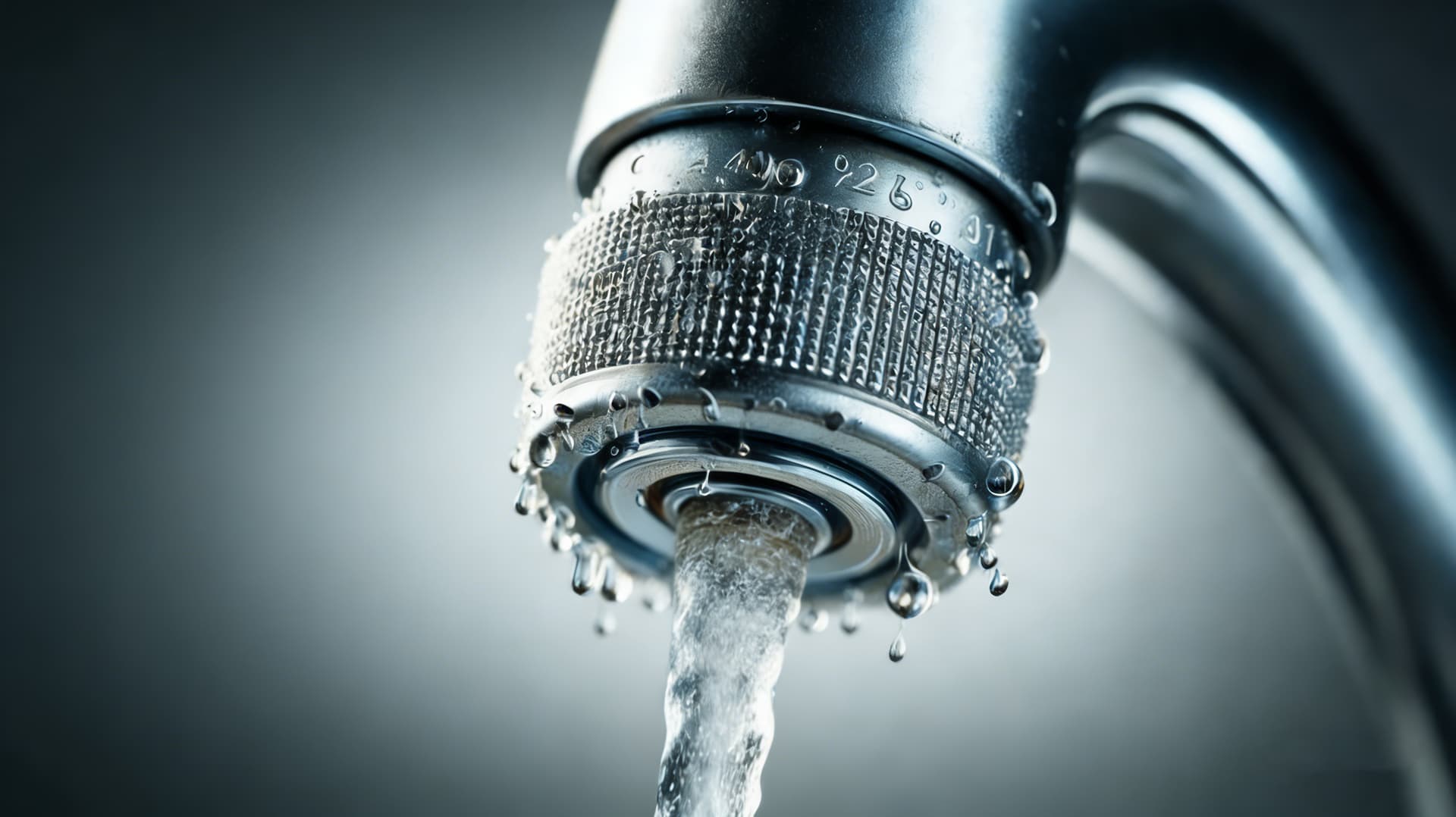
When choosing an aerator, it’s important to select brands with a reputation for quality, consistency, and performance. Some well-known international aerator brands include:
Neoperl: Known for their quality and innovation in aerator technology. They offer a variety of flow rates, finishes, and specialized applications.
T&S Brass: A leader in commercial and industrial-grade aerators, providing durable products for restaurants and large-scale operations.
Kohler: A trusted brand in the faucet industry, Kohler produces high-quality, water-saving aerators that meet WaterSense standards.
These brands have set the standard for high-quality, consistent aerators that perform well over time and meet industry requirements.

Even the most effective aerator won’t perform well unless paired with a high-quality faucet. The performance of the entire fixture depends on the quality of its components, and that includes the aerator.
Aquacubic, a leading China-based manufacturer of bathroom faucets, sinks, and fixtures, focuses on high-quality, eco-friendly solutions that incorporate top-notch aerators. Aquacubic’s faucets integrate reliable branded aerators that meet CUPC, NSF, CE, and WaterSense certifications, ensuring performance consistency and water-saving benefits for projects around the world.
Choosing a manufacturer that consistently meets international certifications and maintains strict quality control is essential for reducing maintenance issues and compliance risks.
For B2B buyers, opting for fixtures from a trusted manufacturer like Aquacubic makes it easier to provide sustainable, high-performance products with fewer callbacks and a stronger reputation in the market.
Flow Rate: Match the aerator’s flow rate to the specific needs of your installation (e.g., low-flow for water-conscious spaces, standard for everyday use).
Thread Type & Installation: Ensure the aerator fits your faucet's threading and installation requirements.
Cleaning: Regularly clean your aerators to prevent mineral buildup. A simple vinegar soak can clear out limescale and restore water flow.
Replacing: Over time, aerators can wear out. Be sure to replace old or damaged aerators to maintain water-saving efficiency.
Faucet aerators may be small, but they pack a big punch when it comes to water conservation, cost savings, and improved user experience. Whether you're a designer, contractor, or eco-conscious homeowner, understanding the role aerators play is key to creating sustainable, efficient bathrooms that save money while benefiting the environment.
By choosing the right aerator type, flow rate, and pairing it with high-quality faucets, you’ll ensure that your installations not only meet water-saving goals but also exceed user expectations in functionality and performance.
So, don’t overlook the unsung hero of bathroom fixtures—faucet aerators are a small part of the puzzle, but they’re a big deal when it comes to maximizing water efficiency.
Q1、What is a faucet aerator?
A:A faucet aerator is a small device that mixes air with water, reducing water consumption while maintaining water pressure. It's an easy way to conserve water without compromising performance.
Q2、Why should I use a low-flow aerator?
A:Low-flow aerators reduce water usage significantly, saving both water and energy. They help meet green building standards and lower utility bills without sacrificing faucet performance.
Q3、What types of aerators are best for my bathroom?
A:The best aerator depends on the faucet type and desired flow rate. For bathrooms, WaterSense-compliant aerators with a 1.5 gpm flow rate work well for most applications.
Q4、Are all aerators the same?
A:No. Aerators come in different types based on flow rate, thread size, and material. It’s important to choose the right one for your faucet and installation needs.
Q5、How do I maintain a faucet aerator?
A:Regular cleaning is key. Soak your aerator in vinegar to remove limescale and debris, and replace it when it shows signs of wear or damage.


