
Views: 0 Author: Site Editor Publish Time: 2026-03-17 Origin: Site

Forget crystal balls and vague predictions—we’re leaning into data to paint a clear picture of where bathroom hardware manufacturing is headed over the next five years. According to industry analysts, the global bathroom hardware market is projected to grow at a CAGR of 5.2% through 2030, reaching a market size of over $80 billion by the end of the decade. But this growth isn’t one-size-fits-all; the US and EU markets are driving distinct trends, and understanding these regional differences is critical for international buyers.
In the US, bathroom faucet trends 2026 are all about convenience, efficiency, and renovation. The post-pandemic renovation boom shows no signs of slowing, with homeowners prioritizing bathrooms that feel like a “personal retreat” while still being practical. Touchless faucets are no longer a luxury—they’re a staple, thanks to their hygiene benefits and water-saving capabilities (more on that later).Water efficiency standards for plumbing fixtures are also tightening, with the EPA’s WaterSense program driving demand for low-flow faucets and fixtures that use 30% less water than standard models. For commercial buyers, durability and compliance are non-negotiable, especially in hospitality and healthcare settings where high traffic and strict regulations reign supreme.
Across the Atlantic, the EU market is doubling down on sustainability and design. Eco-labels like EU Ecolabel and Blue Angel are becoming must-haves for manufacturers, pushing the industry toward recycled materials, low-emission production processes, and energy-efficient fixtures. Eco-friendly bathroom fixtures guide principles are no longer an afterthought—they’re integrated into every stage of manufacturing, from raw material sourcing to packaging. Design-wise, the EU is embracing minimalism, with sleek, modular bathroom hardware that blends seamlessly into small spaces (think urban apartments and boutique hotels). Bathroom fixture design inspiration here leans into neutral tones, clean lines, and multi-functional pieces that maximize both style and utility.

Not all bathroom hardware materials are created equal—and 2026 is separating the “durable classics” from the “fad flops.” For international buyers, understanding best sink materials for residential and commercial use is key to making sourcing decisions that align with market demand and long-term value. Let’s break down the top materials dominating the market, along with what to avoid (spoiler: plastic is officially on the outs for high-end and commercial applications).
First up: stainless steel. This material has long been a favorite for sinks, but 2026 is seeing a surge in demand for handmade stainless steel sinks—especially in residential and boutique commercial spaces. Why? Stainless steel is durable, antibacterial, easy to clean, and versatile enough to fit any design style, from modern to industrial. It’s also eco-friendly, as it’s 100% recyclable and requires minimal maintenance. For buyers wondering how to choose bathroom sink material, stainless steel checks all the boxes: it’s resistant to scratches, stains, and corrosion, making it ideal for high-traffic areas like kitchens and commercial bathrooms.
Pro tip: Look for 304 or 316 grade stainless steel for maximum durability—this is a non-negotiable for B2B buyers focused on quality.
Ceramic is another material that’s standing the test of time—literally. Ceramic sinks, and toilet fixtures are a staple in both residential and commercial bathrooms, thanks to their durability, water resistance, and classic aesthetic. In 2026, we’re seeing a shift toward advanced ceramic glazes, like nano-antibacterial coatings that reduce germ growth and make cleaning even easier. Ceramic is also eco-friendly, with many manufacturers using low-emission production processes and recycled clay. For EU buyers, ceramic fixtures that meet strict eco-label standards are in high demand, while US buyers prioritize ceramic sinks and faucets that are WaterSense certified.
When it comes to faucets, durable faucet finishes comparison is a hot topic for buyers and designers alike. The days of basic chrome (while still popular) are being complemented by more sophisticated finishes that balance style and durability. Brushed nickel remains a top choice for its warm tone and resistance to fingerprints, while matte black is gaining traction for modern and industrial designs. Oil-rubbed bronze is a favorite for traditional spaces, adding a touch of elegance without being high-maintenance. The key here? Finishes that are scratch-resistant, easy to clean, and consistent—nothing turns off a customer faster than a faucet finish that fades or chips after a few months of use.
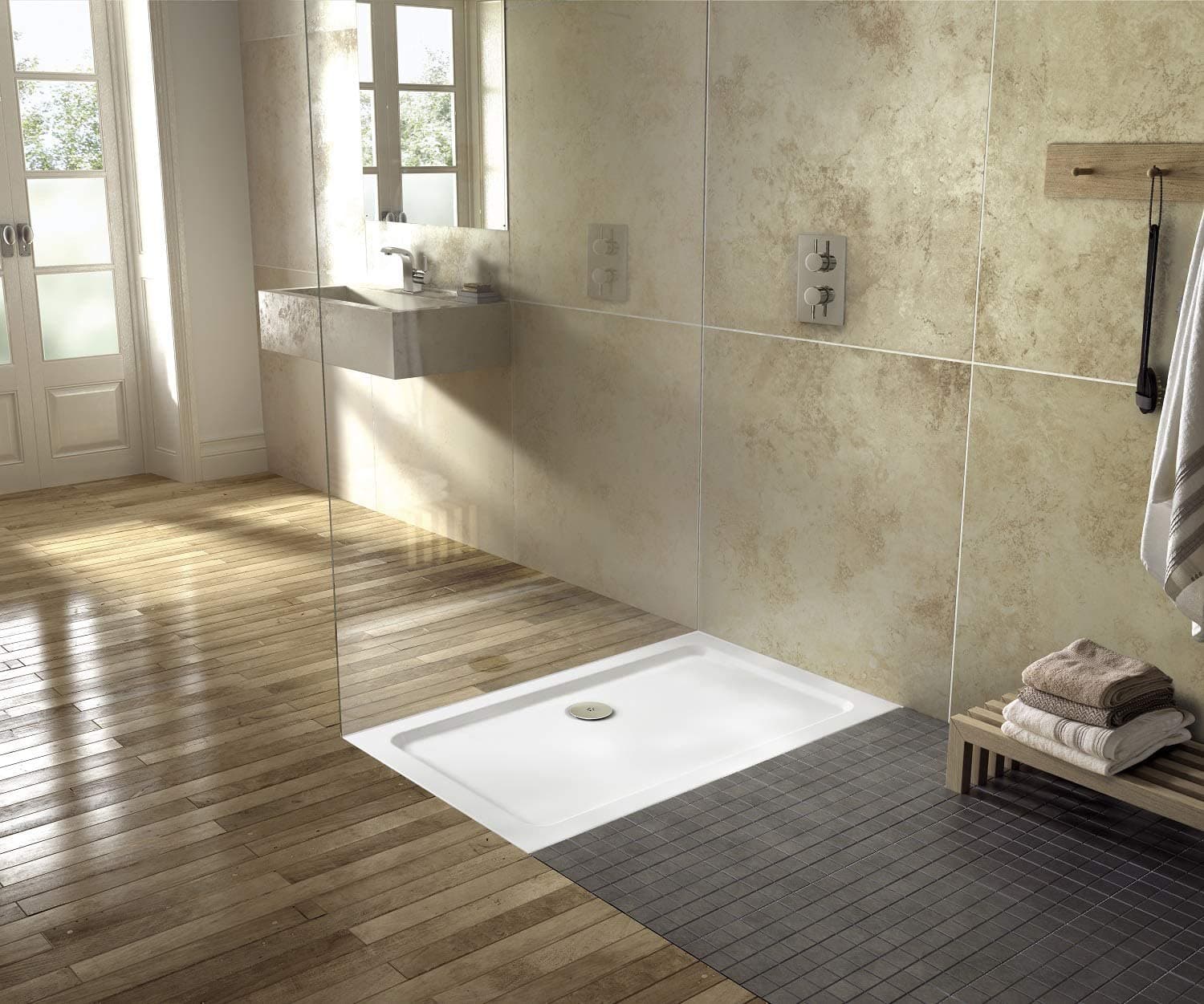
The global bathroom hardware supply chain is like a well-designed faucet—every part needs to work together to avoid leaks (or in this case, delays, quality issues, and compliance headaches). For international buyers, understanding how the supply chain works is critical to making informed sourcing decisions. Let’s break down the key links, regional roles, and post-pandemic trends that are shaping the industry.
At the foundation of the supply chain is raw material sourcing. For stainless steel sinks, this means sourcing high-grade steel from regions like China, India, and Europe. For ceramic fixtures, raw materials like clay, feldspar, and quartz are sourced from around the world, with quality varying by region. The next link is manufacturing—this is where China shines as a global leader. As an OEM bathroom sink manufacturer China, the country produces a significant portion of the world’s bathroom hardware, thanks to its advanced production facilities, skilled labor, and cost-effectiveness. But China isn’t just a “factory”—many manufacturers (like Aquacubic) are investing in R&D, quality control, and compliance to meet the strict standards of the US and EU markets.
After manufacturing comes quality control—a critical step for international buyers. This includes testing materials for durability, checking finishes for consistency, and ensuring products meet regional standards (CUPC for the US, CE for the EU, WaterSense for water efficiency). For B2B buyers, partnering with manufacturers that have rigorous quality control processes is non-negotiable—nothing ruins a business relationship faster than a shipment of faucets that don’t meet compliance standards or sinks with defective finishes.
Logistics is another key link in the supply chain. For US buyers sourcing from China, shipping times and costs are a major consideration—container shipping remains the most cost-effective option, but lead times can vary from 4–8 weeks. EU buyers often have shorter lead times, thanks to closer shipping routes, but still need to factor in customs and compliance checks. Post-pandemic, supply chain resilience has become a top priority, with many buyers adopting multi-supplier strategies to avoid disruptions. Transparency is also key—buyers want to know where their materials come from, how their products are made, and whether manufacturers are following ethical labor practices.
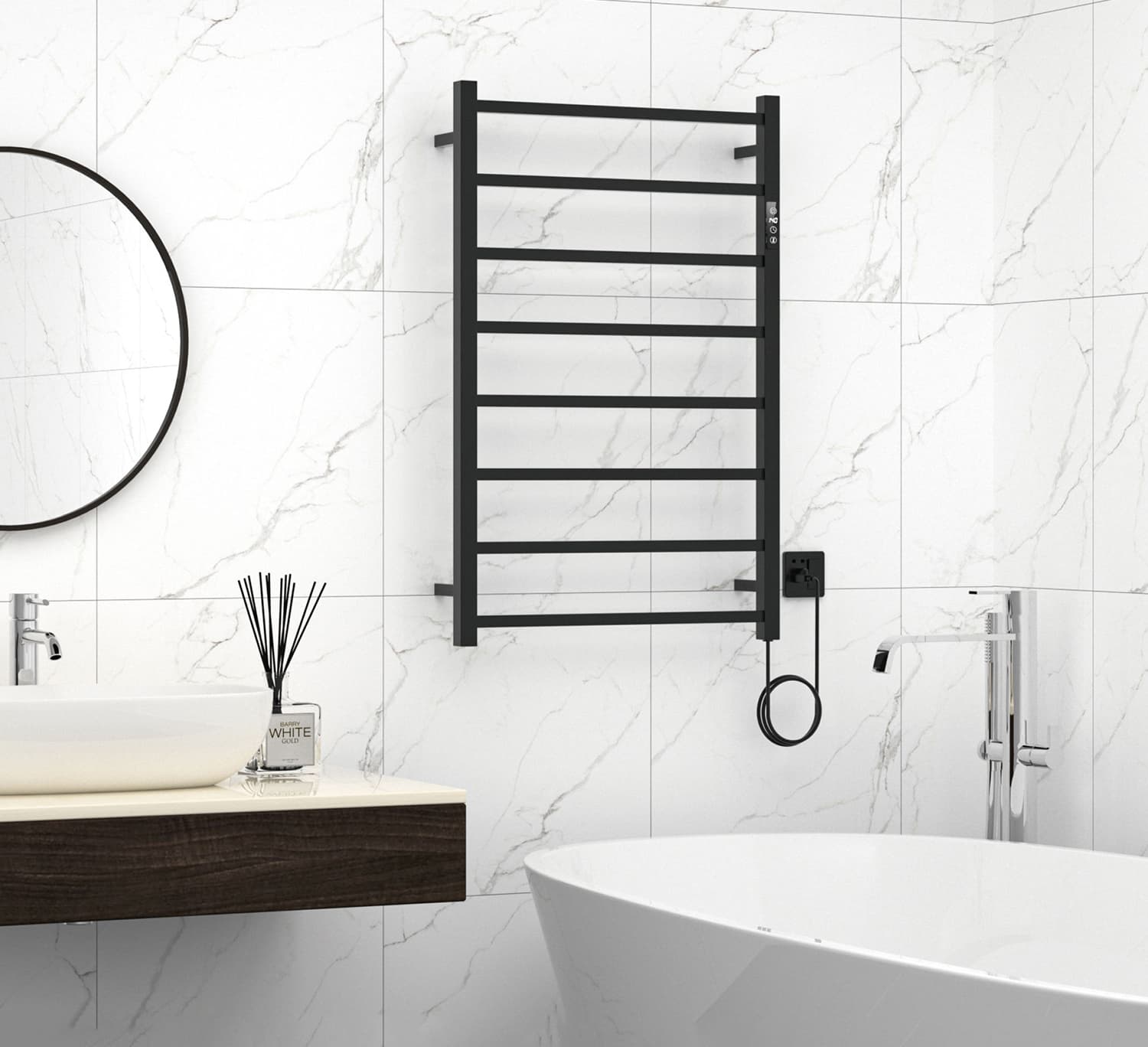
Sourcing bathroom hardware internationally doesn’t have to feel like navigating a leaky pipe—with the right strategies, you can streamline the process, reduce risks, and find reliable partners that align with your business goals. Here are actionable tips tailored to US and EU buyers, designed to help you make informed decisions and stay ahead of the competition.
First and foremost: prioritize compliance. The US and EU have strict standards for bathroom hardware, and failing to meet these standards can lead to costly delays, fines, and reputational damage. For US buyers, look for manufacturers that hold CUPC and NSF certifications—these ensure products meet plumbing and safety standards. WaterSense certification is also a must for faucets and fixtures, as it’s a requirement for many government and commercial projects. For EU buyers, CE certification is non-negotiable, along with eco-labels like EU Ecolabel and Blue Angel. Always ask manufacturers for certification documents and verify them independently—don’t take their word for it.
Next, focus on material and finish consistency. As we discussed earlier, best sink materials for residential and commercial use are stainless steel and ceramic, but not all manufacturers produce these materials to the same standard. When sourcing, ask for samples of sinks and faucets to test durability, finish quality, and functionality. For example, test stainless steel sinks for scratch resistance and ceramic fixtures for glaze durability. This step might take extra time, but it’s worth it to avoid receiving a shipment of products that don’t meet your standards.
Consider faucet type based on market demand. Wall mounted vs deck mounted faucets are both popular, but their appeal varies by region and application. Wall-mounted faucets are favored in modern and minimalist designs, as they save counter space and create a sleek look—perfect for EU urban apartments and high-end US residential projects. Deck-mounted faucets are more traditional and easier to install, making them a popular choice for commercial spaces and mid-range residential projects. For B2B buyers, offering both options can help you cater to a wider range of customers.
Choose reliable manufacturers with proven experience. When sourcing from China, look for OEM bathroom sink manufacturer China partners that have experience working with US and EU brands—preferably Fortune 500 companies, as this is a testament to their quality and compliance. Ask for case studies, customer references, and factory audit reports to verify their capabilities. A good manufacturer will be transparent about their production processes, lead times, and quality control measures.
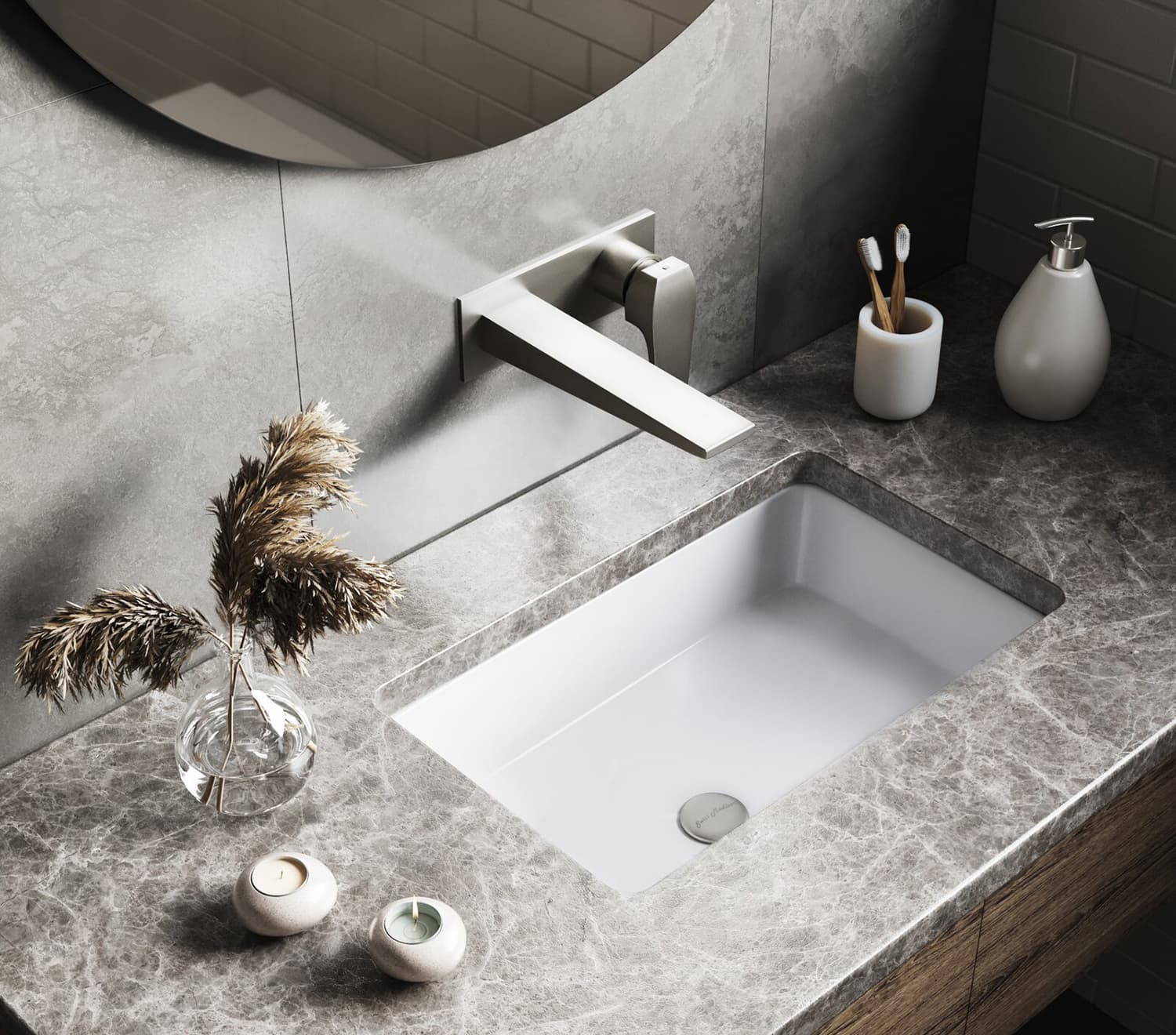
For international buyers, partnering with a manufacturer that understands global standards, material trends, and supply chain resilience is non-negotiable—and Aquacubic stands out as a reliable choice in the competitive world of bathroom hardware manufacturing. As a China-based manufacturer specializing in faucets, stainless steel handmade sinks, and ceramic products, we’ve built a reputation for quality, compliance, and transparency—proven by our track record of OEM manufacturing for Fortune 500 bathroom brands in the US.
At Aquacubic, we prioritize the same values that matter to US and EU buyers: durability, sustainability, and compliance. Our stainless steel handmade sinks are crafted from 304 and 316 grade steel, ensuring maximum durability and resistance to corrosion—perfect for both residential and commercial use. Our faucets feature durable finishes (chrome, brushed nickel, matte black) that are scratch-resistant and easy to clean, with touchless options that align with 2026 trends and touchless bathroom faucets benefits like water conservation and hygiene. Our ceramic products use advanced nano-antibacterial glazes, meeting strict eco-friendly standards and reducing maintenance costs for end users.
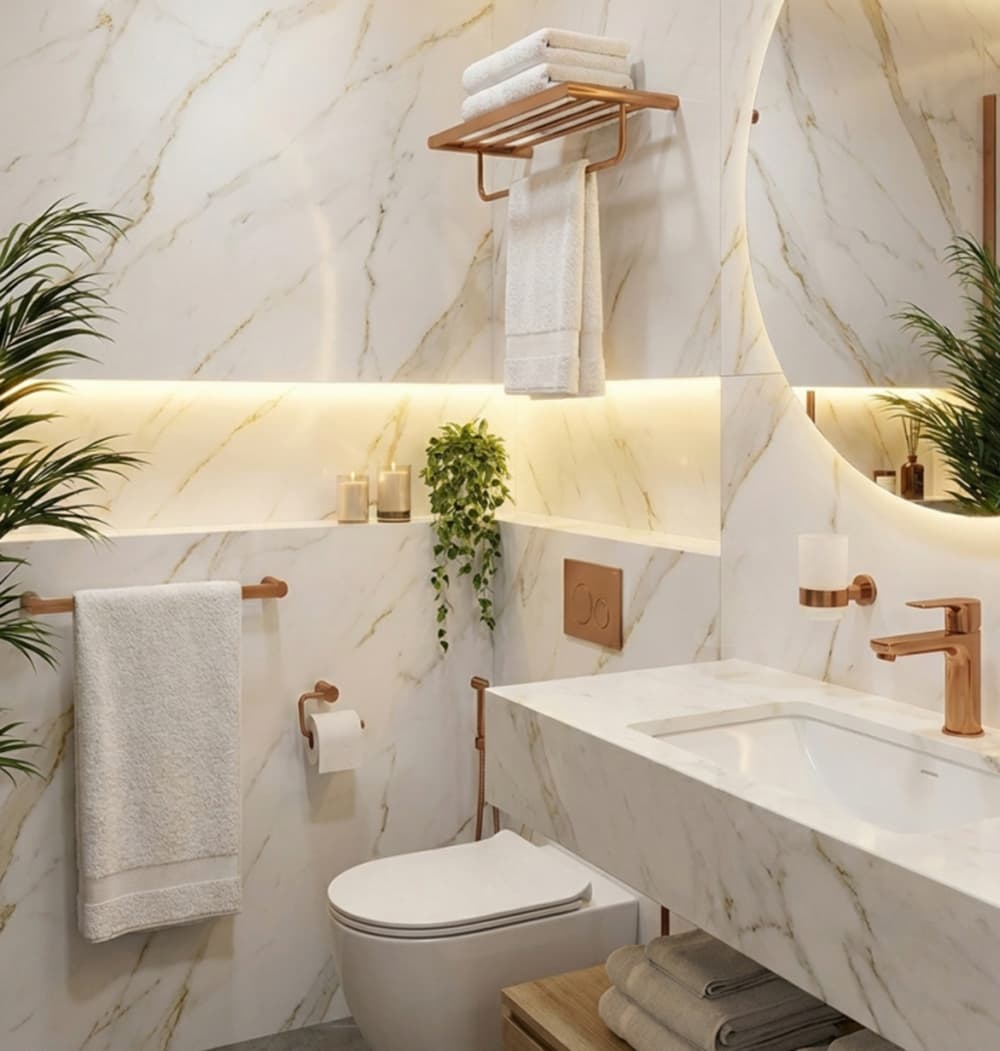
The global bathroom hardware manufacturing market is evolving at a rapid pace, driven by 2026 trends like touchless technology, eco-friendly materials, and smart integration. For US and EU industry professionals and B2B buyers, staying ahead requires balancing innovation, compliance, and reliable manufacturing partnerships. From understanding bathroom faucet trends 2026 to choosing the best sink materials for residential and commercial use, every decision impacts your success in the market.
The global supply chain plays a critical role in this journey—understanding its key links, regional roles, and resilience strategies is essential for making informed sourcing decisions. And perhaps most importantly, partnering with the right manufacturer—one that prioritizes quality, compliance, and transparency—can make all the difference. Aquacubic is proud to be that partner, with a proven track record of supporting Fortune 500 brands and international buyers with high-quality, compliant bathroom hardware.
In the world of bathroom hardware, the best trends aren’t just about style—they’re about making life easier for buyers, designers, and end users alike. By staying informed, prioritizing quality, and partnering with reliable manufacturers, you can navigate the future of the industry with confidence, capitalize on emerging opportunities, and build a successful business that stands the test of time. After all, a well-designed bathroom starts with well-made hardware—and that’s where the real value lies.


